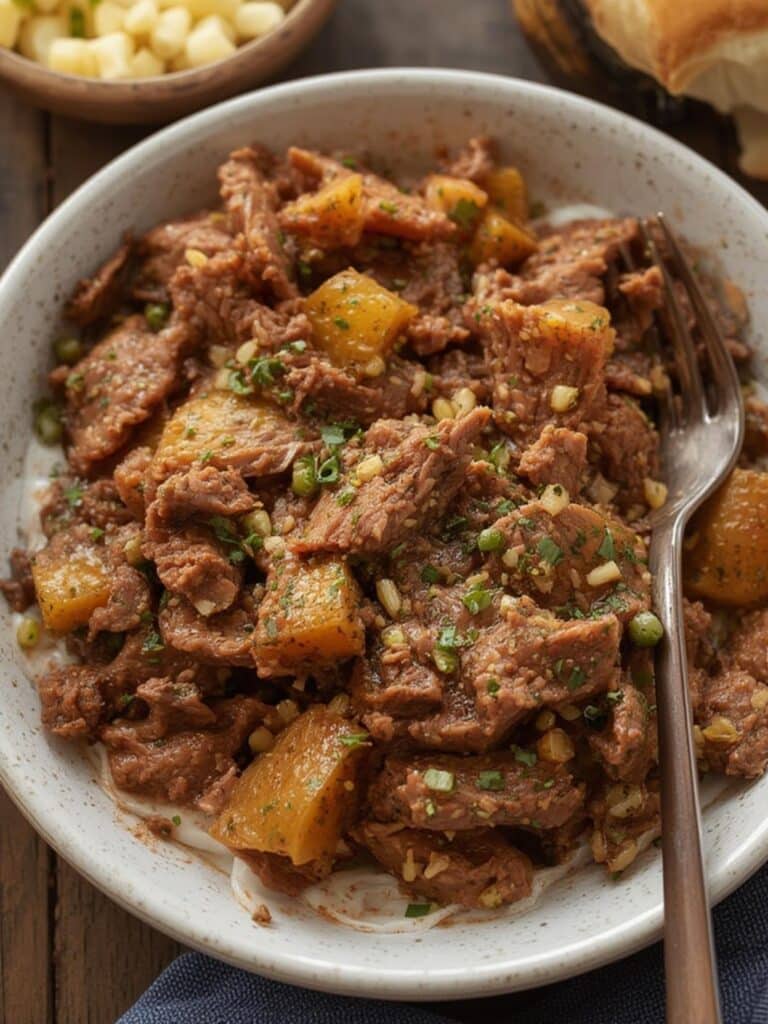
Indulge in the perfect corned beef with this foolproof recipe that delivers tender, flavorful meat every time. This classic Irish-American dish transforms a humble beef brisket into a savory, pink-hued delicacy that’s perfect for St. Patrick’s Day celebrations or a hearty family dinner. Whether you’re a cooking novice or experienced home chef, this recipe breaks down every step to ensure your corned beef turns out moist and flavorful with that signature tangy taste and melt-in-your-mouth texture.
Why You’ll Love This Recipe
- Perfect balance of savory, tangy, and slightly sweet flavors
- Incredibly tender meat that pulls apart effortlessly
- Simple preparation with mostly hands-off cooking time
- Makes excellent leftovers for sandwiches and hash
- Traditional recipe with modern cooking techniques for foolproof results
- Customizable with various seasonings and cooking methods
- Ideal for both special occasions and weekend family meals
- Budget-friendly way to feed a crowd
Ingredients
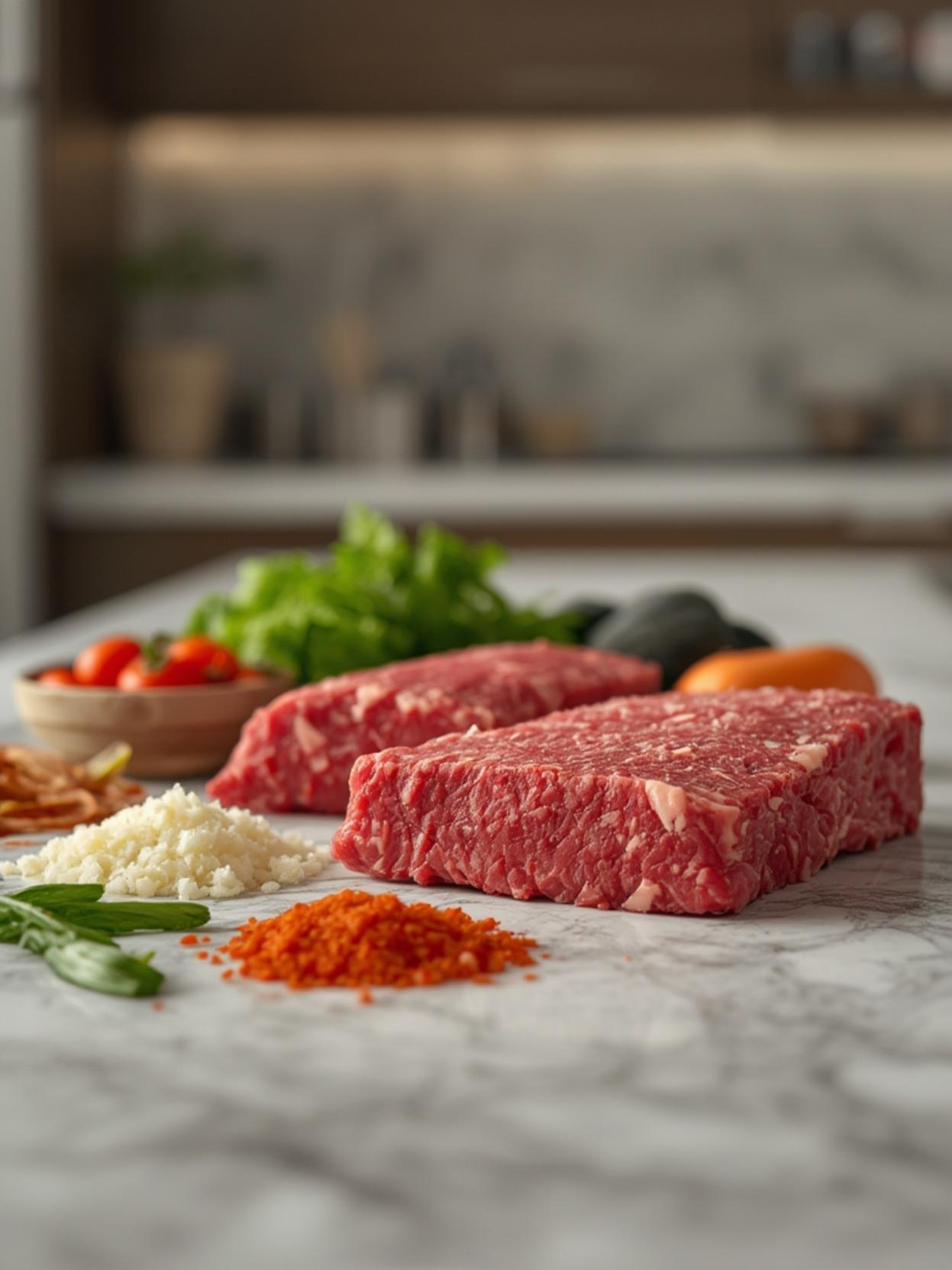
- 4-5 pounds corned beef brisket with spice packet
- 1 large onion, quartered
- 4 cloves garlic, peeled and lightly crushed
- 2 bay leaves
- 1 tablespoon whole black peppercorns
- 1 teaspoon mustard seeds
- ½ teaspoon whole cloves
- 2 tablespoons brown sugar
- 12 ounces beer (preferably a dark stout like Guinness, optional)
- 4 cups low-sodium beef broth
- Water (enough to cover the brisket)
- 1 pound carrots, peeled and cut into 2-inch chunks
- 1½ pounds small red potatoes, halved
- 1 medium head cabbage, cut into 8 wedges
Ingredient Notes & Substitutions
Corned Beef Brisket: Look for a flat-cut brisket for even cooking and easy slicing. If you can’t find one with a spice packet, you can make your own pickling spice blend with peppercorns, allspice berries, mustard seeds, coriander seeds, bay leaves, and cloves.
Beer: The alcohol cooks off, leaving behind a deep flavor that complements the beef. For an alcohol-free version, substitute additional beef broth or apple cider.
Beef Broth: Low-sodium broth allows you to control the saltiness. The corned beef recipes that use only water miss out on this extra layer of flavor.
Brown Sugar: This helps balance the saltiness. You can substitute with honey or maple syrup for a different flavor profile.
Vegetables: These are traditional accompaniments, but you can customize based on preferences. Turnips, parsnips, or rutabaga make excellent additions or substitutions.
Spices: The pickling spice blend is crucial for authentic flavor. If creating your own, add a cinnamon stick and a few crushed red pepper flakes for depth.
Step-by-Step Instructions
1. Prepare the Corned Beef
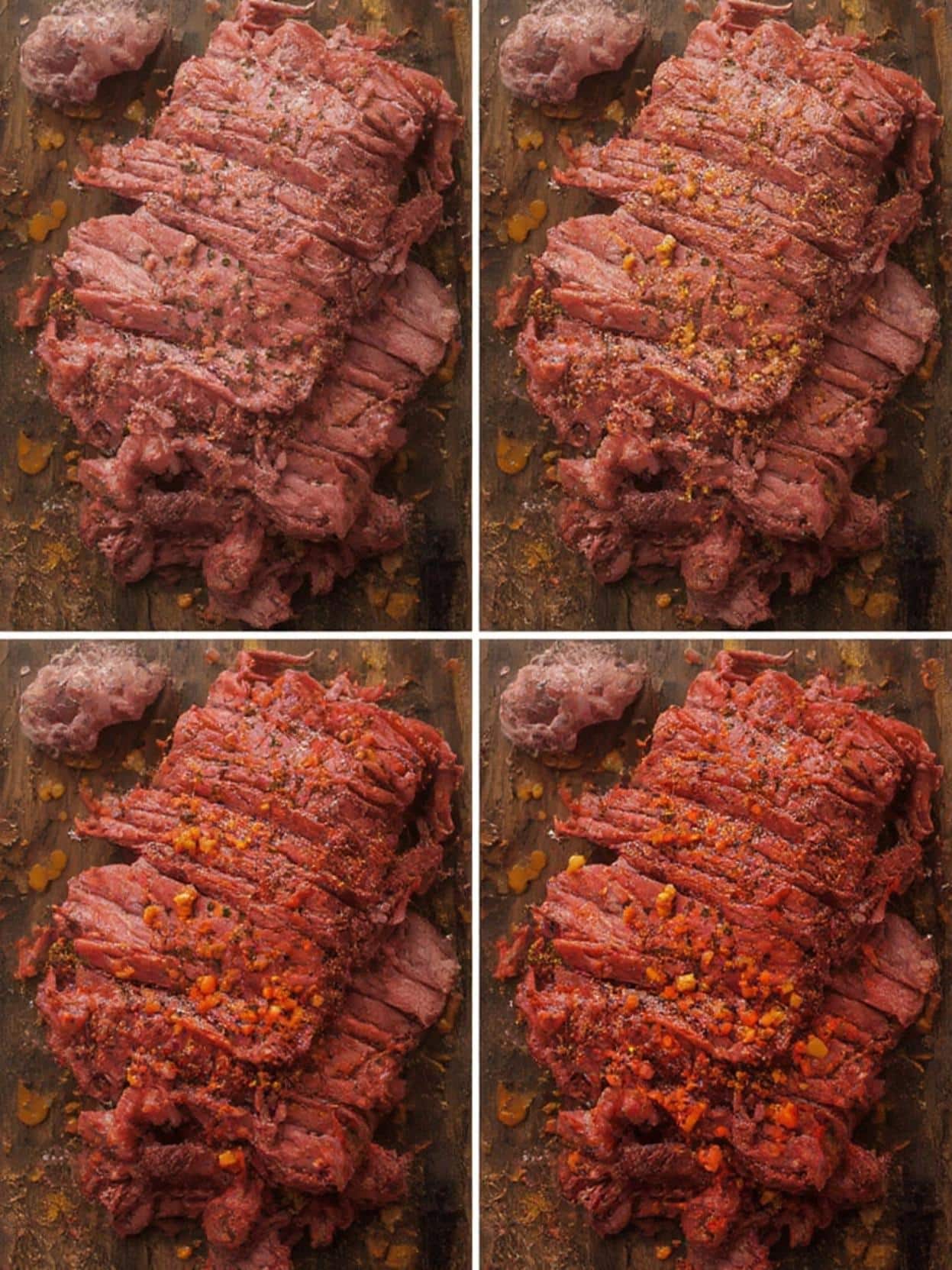
Begin by removing the corned beef from its packaging. Rinse it thoroughly under cold water to remove excess salt from the brining process. This step is crucial as it prevents your final dish from being too salty. Pat the brisket dry with paper towels.
2. Set Up Your Cooking Vessel
Choose a large Dutch oven or stockpot that comfortably fits the brisket with room for liquid and vegetables. Place the brisket inside with the fat cap facing up. The fat will melt during cooking, basting the meat naturally.
3. Add Aromatics and Liquid
Add the quartered onion, crushed garlic cloves, bay leaves, peppercorns, mustard seeds, cloves, and brown sugar to the pot. Pour in the beer (if using) and beef broth. Add enough cold water to cover the brisket by about 1 inch. The liquid should have a slightly sweet aroma with notes of spice.
4. Bring to a Simmer
Place the pot over high heat and bring the liquid to a boil. You’ll notice foam rising to the surface – this is normal. Once boiling, reduce the heat to maintain a gentle simmer. The surface of the liquid should show small, lazy bubbles rather than a rolling boil.
5. Cook the Corned Beef
Cover the pot and simmer for about 3 hours for a 4-pound brisket (about 45-50 minutes per pound). The meat should be fork-tender but not falling apart when done. You’ll know it’s ready when you can easily insert a fork into the thickest part with little resistance.
6. Add Vegetables
When the beef is almost tender, add the carrots and potatoes to the pot. Continue simmering for 15 minutes, then add the cabbage wedges. Cook for an additional 15-20 minutes until all vegetables are tender. The vegetables should remain vibrant in color while being perfectly cooked through.
7. Rest Before Slicing
Remove the corned beef from the cooking liquid and transfer to a cutting board. Tent loosely with aluminum foil and let it rest for 15 minutes. This crucial step allows the juices to redistribute throughout the meat, ensuring it remains moist when sliced.
8. Slice and Serve
Cut the corned beef against the grain into 1/4-inch slices. Cutting against the grain shortens the muscle fibers, resulting in a more tender bite. Arrange the sliced meat on a platter surrounded by the cooked vegetables. Spoon a little cooking liquid over the meat to keep it moist.
Pro Tips for Best Results
Always rinse your corned beef before cooking to remove excess salt from the brining solution. This simple step makes a huge difference in the final flavor balance.
For the most tender results, maintain a gentle simmer throughout the cooking process. Boiling can make the meat tough and stringy.
Let the corned beef cool in its cooking liquid if you have time. This allows it to absorb more flavor and stay juicier when reheated.
Reserve some of the cooking liquid to serve on the side or to store with leftovers. This prevents the meat from drying out.
If you prefer a firmer texture in your vegetables, cook them separately in some of the beef cooking liquid rather than adding them directly to the pot.
For a more pronounced flavor, consider adding a tablespoon of pickling spice in addition to what comes in the packet.
A digital meat thermometer is your best friend—aim for an internal temperature of 195°F for perfectly tender corned beef.
Common Mistakes to Avoid
Skipping the rinse: Not rinsing the brisket before cooking can result in overly salty meat that overwhelms the other flavors.
Cooking at a rolling boil: This toughens the meat. Always maintain a gentle simmer for the most tender results.
Slicing with the grain: Always cut perpendicular to the visible muscle fibers (against the grain) for the most tender bites.
Not allowing enough cooking time: Corned beef needs long, slow cooking to break down the tough connective tissues. Rushing leads to tough meat.
Overcooking the vegetables: Adding vegetables too early will turn them mushy. Time their addition carefully.
Discarding the cooking liquid: This flavorful broth can be used to make amazing soups or as a base for gravy.
Cutting immediately after cooking: Not letting the meat rest before slicing causes juices to run out, resulting in drier meat.
Variations
Slow Cooker Corned Beef
For a hands-off approach, place the rinsed corned beef, spices, and liquids in a slow cooker. Cook on low for 8-10 hours. Add vegetables during the last 1-2 hours. This method produces exceptionally tender meat with minimal effort.
Oven-Baked Corned Beef
After simmering for 2 hours, transfer the partially cooked corned beef to a roasting pan. Brush with a mixture of 1/4 cup brown sugar and 2 tablespoons Dijon mustard. Bake at 350°F for 30-40 minutes for a delicious caramelized crust.
Pressure Cooker/Instant Pot Corned Beef
For quick results, cook the corned beef in a pressure cooker with 2 cups of liquid for 90 minutes at high pressure with a natural release. Cook vegetables separately for 3-4 minutes at high pressure for perfect texture.
Healthier Version
To reduce sodium, soak the corned beef in cold water for 2 hours, changing the water every 30 minutes before cooking. Use sodium-free beef broth and increase aromatics for flavor without added salt.
How to Store & Reheat
Refrigerating
Cool the corned beef completely before storing. Slice or keep whole, placing in an airtight container with some cooking liquid. Refrigerate for up to 4 days. Store vegetables separately to prevent them from becoming waterlogged.
Freezing
For longer storage, wrap cooled corned beef tightly in plastic wrap, then in aluminum foil or place in a freezer-safe container. Freeze for up to 3 months. Thaw overnight in the refrigerator before reheating.
Reheating
Stovetop: Place slices in a skillet with a few tablespoons of cooking liquid. Cover and heat gently over medium-low heat until warmed through, about 5 minutes.
Oven: Place sliced corned beef in a baking dish with a few tablespoons of cooking liquid or beef broth. Cover with foil and heat at 325°F for 15-20 minutes until hot.
Microwave: For quick reheating, place slices on a microwave-safe plate, drizzle with cooking liquid, cover with a damp paper towel, and heat in 30-second intervals until warm.
What to Serve With Corned Beef
The traditional accompaniments of cabbage, potatoes, and carrots make a complete meal, but here are more serving suggestions:
Irish Soda Bread: The slightly sweet, dense bread is perfect for soaking up the flavorful cooking juices.
Whole Grain Mustard or Horseradish Sauce: The sharp, tangy flavors cut through the richness of the meat.
Pickled Beets: Their sweet-tangy profile complements the savory beef beautifully.
Buttered Rye Bread: Makes an excellent side and is essential for leftover sandwiches.
Irish Cheese Board: Aged cheddar or Dubliner cheese pairs wonderfully with corned beef for a hearty appetizer.
Green Salad with Vinaigrette: A light, acidic salad helps balance the richness of the meal.
Irish Beer or Stout: The maltiness complements the flavors of the beef perfectly.
FAQs About Corned Beef
Why is it called “corned” beef when there’s no corn?
The term “corned” refers to the large grains of salt (called “corns” in Old English) used in the curing process. This preservation method dates back centuries before refrigeration was available.
How do I know when my corned beef is fully cooked?
Properly cooked corned beef should reach an internal temperature of 145°F for food safety, but for the most tender texture, continue cooking to 195°F. The meat should easily separate when pierced with a fork.
Can I make corned beef from scratch without buying a pre-brined brisket?
Yes, but it requires planning ahead. You’ll need to brine a fresh brisket in a solution of salt, sugar, and pickling spices for 5-7 days before cooking. This homemade version allows you to control the salt and spice levels.
What’s the difference between flat cut and point cut corned beef?
The flat cut is leaner, more uniform in shape, and easier to slice neatly. The point cut has more marbling and fat, making it more flavorful but less uniform for presentation. For beginners, flat cut is recommended.
My corned beef turned out tough. What went wrong?
Tough corned beef usually means it wasn’t cooked long enough. This cut needs extended cooking to break down connective tissues. Return it to the cooking liquid and continue simmering until fork-tender.
Nutrition Overview
A 3-ounce serving of cooked corned beef provides approximately:
- Calories: 210
- Protein: 15g
- Fat: 16g
- Carbohydrates: 0g
- Sodium: 800-900mg (varies by brand and preparation)
Corned beef is high in protein and several B vitamins, particularly vitamin B12. It’s also a good source of zinc and iron. However, it’s relatively high in sodium due to the brining process, so moderation is key, especially for those watching their salt intake.
The vegetables served alongside add fiber, vitamins, and minerals, creating a more nutritionally balanced meal.
Your Perfect Corned Beef Awaits
Mastering corned beef is all about patience and technique. This timeless dish rewards those who take their time with incredibly tender meat and a symphony of flavors that have made it a beloved tradition for generations. Whether you’re preparing it for St. Patrick’s Day or simply craving a hearty, satisfying meal, this recipe delivers consistently excellent results.
Don’t forget to save your leftovers for incredible Reuben sandwiches or a delicious corned beef hash for breakfast. Each repurposed meal will remind you why this classic deserves a regular place in your cooking rotation.
Have you made corned beef before? What’s your favorite way to serve the leftovers? Share your experiences and questions in the comments below—we’d love to hear how this recipe worked for you!