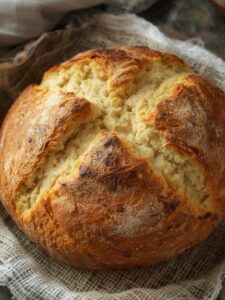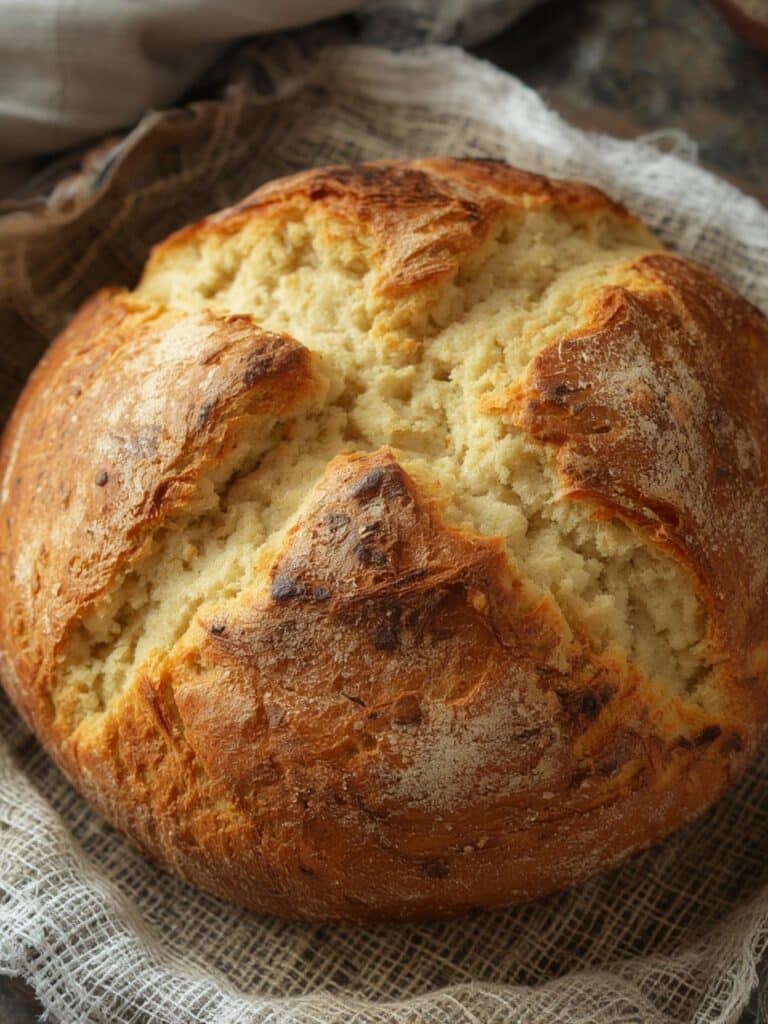
St. Patrick’s Day is just around the corner, and there’s no better way to celebrate than with a loaf of authentic irish soda bread. This remarkably simple bread requires no yeast, no kneading, and no rising time, making it perfect for both novice bakers and experienced cooks looking for a quick homemade bread option. With its crusty exterior, soft interior, and subtle sweetness, this traditional Irish staple has been warming homes for generations and will soon become a favorite in your kitchen too.
Why You’ll Love This Recipe
- Ready in under an hour with just a handful of basic ingredients
- No special equipment needed – just a bowl, spoon, and baking sheet
- Perfectly crusty on the outside, tender and moist on the inside
- Versatile – enjoy it with breakfast, alongside soups and stews, or as a snack
- Makes a beautiful presentation for St. Patrick’s Day celebrations
- Stores well for several days and freezes beautifully
- Can be customized with various add-ins to suit your taste preferences
- The buttermilk creates an incredible flavor that store-bought bread can’t match
Ingredients
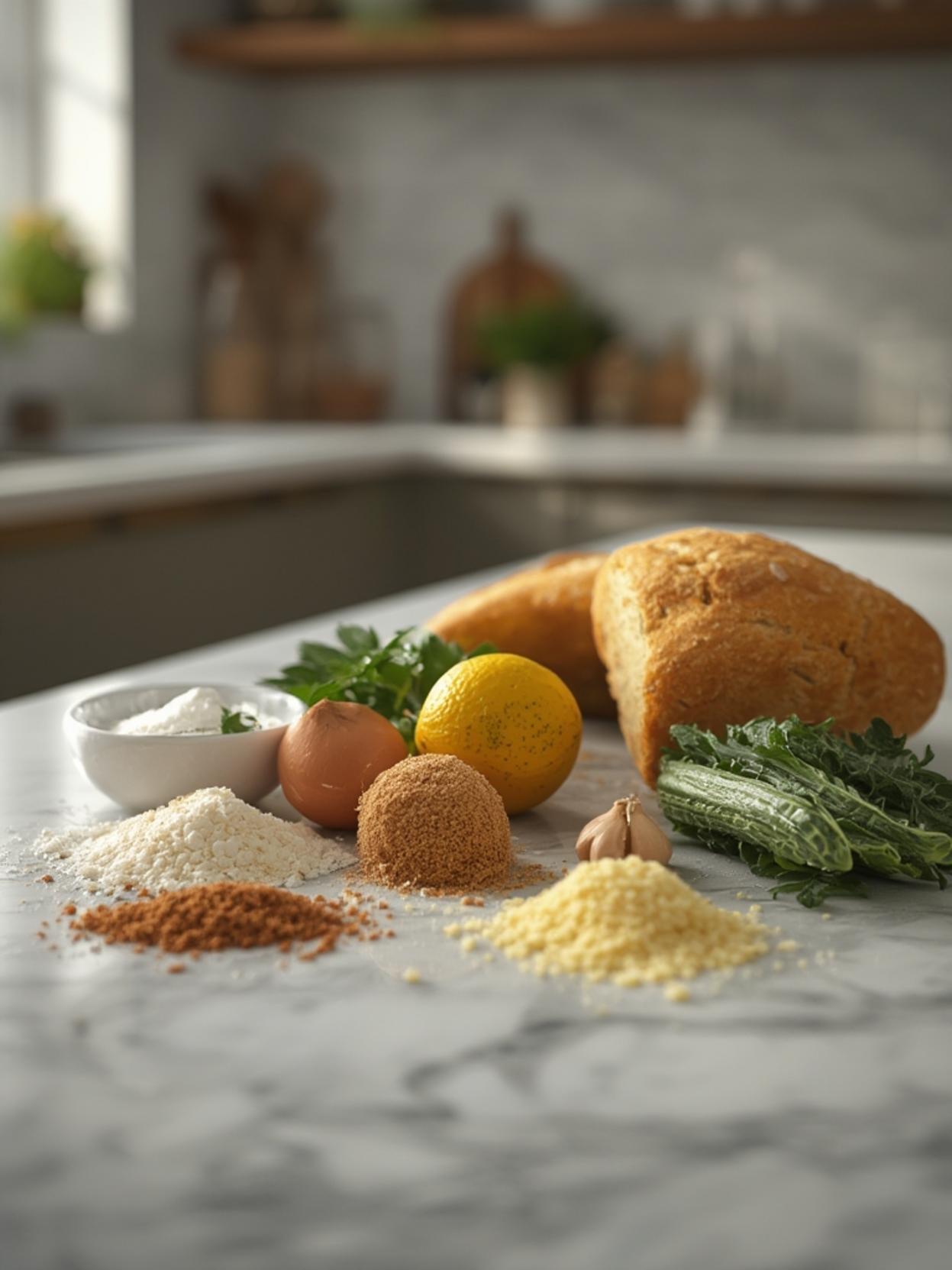
- 4 cups all-purpose flour
- 1 teaspoon baking soda
- 1½ teaspoons salt
- 2 tablespoons granulated sugar
- 4 tablespoons (½ stick) cold unsalted butter, cut into small cubes
- 1¾ cups buttermilk
- 1 large egg
- 1 cup raisins or currants (optional)
- 1 tablespoon caraway seeds (optional)
- 1 tablespoon milk (for brushing the top)
Ingredient Notes & Substitutions
Flour: Traditional irish soda bread uses a soft wheat flour, but all-purpose flour works perfectly in this recipe. For a more authentic texture, you can substitute up to half the all-purpose flour with whole wheat flour.
Buttermilk: This is essential for both flavor and chemistry – the acidity reacts with the baking soda to help the bread rise. No buttermilk on hand? Make your own by adding 1 tablespoon of white vinegar or lemon juice to 1¾ cups of regular milk and letting it sit for 5 minutes until slightly thickened.
Raisins and Caraway Seeds: While purists might argue that authentic soda bread doesn’t contain these add-ins, many Irish-American versions include them. Raisins add sweetness while caraway seeds provide a distinctive aromatic flavor. Both are optional, so feel free to omit them if you prefer a more traditional loaf.
Butter: Cold butter creates little pockets of steam during baking, helping to create a tender crumb. Make sure it’s cold from the refrigerator when you cut it into the flour mixture.
Sugar: Traditional soda bread contains very little sugar. The 2 tablespoons in this recipe add just a hint of sweetness without turning it into a dessert bread. You can reduce to 1 tablespoon for a less sweet version.
Step-by-Step Instructions
Prepare Your Ingredients and Equipment
1. Preheat your oven to 375°F (190°C). Line a baking sheet with parchment paper or lightly dust with flour.
2. In a large bowl, whisk together the flour, baking soda, salt, and sugar until well combined.
3. Add the cold cubed butter to the dry ingredients. Using your fingertips, quickly rub the butter into the flour mixture until it resembles coarse crumbs with some pea-sized pieces remaining. Work quickly to keep the butter cold.
Mix the Dough
4. In a separate small bowl, lightly beat the egg, then whisk in the buttermilk until combined.
5. Make a well in the center of the flour mixture and pour in about ¾ of the buttermilk-egg mixture. If using raisins and caraway seeds, add them now.
6. Gently stir with a wooden spoon, working from the center outward, gradually incorporating the dry ingredients from the sides of the bowl. The dough should be soft and slightly sticky but not wet. Add more of the buttermilk mixture if needed to incorporate all the flour.
Shape and Score the Bread
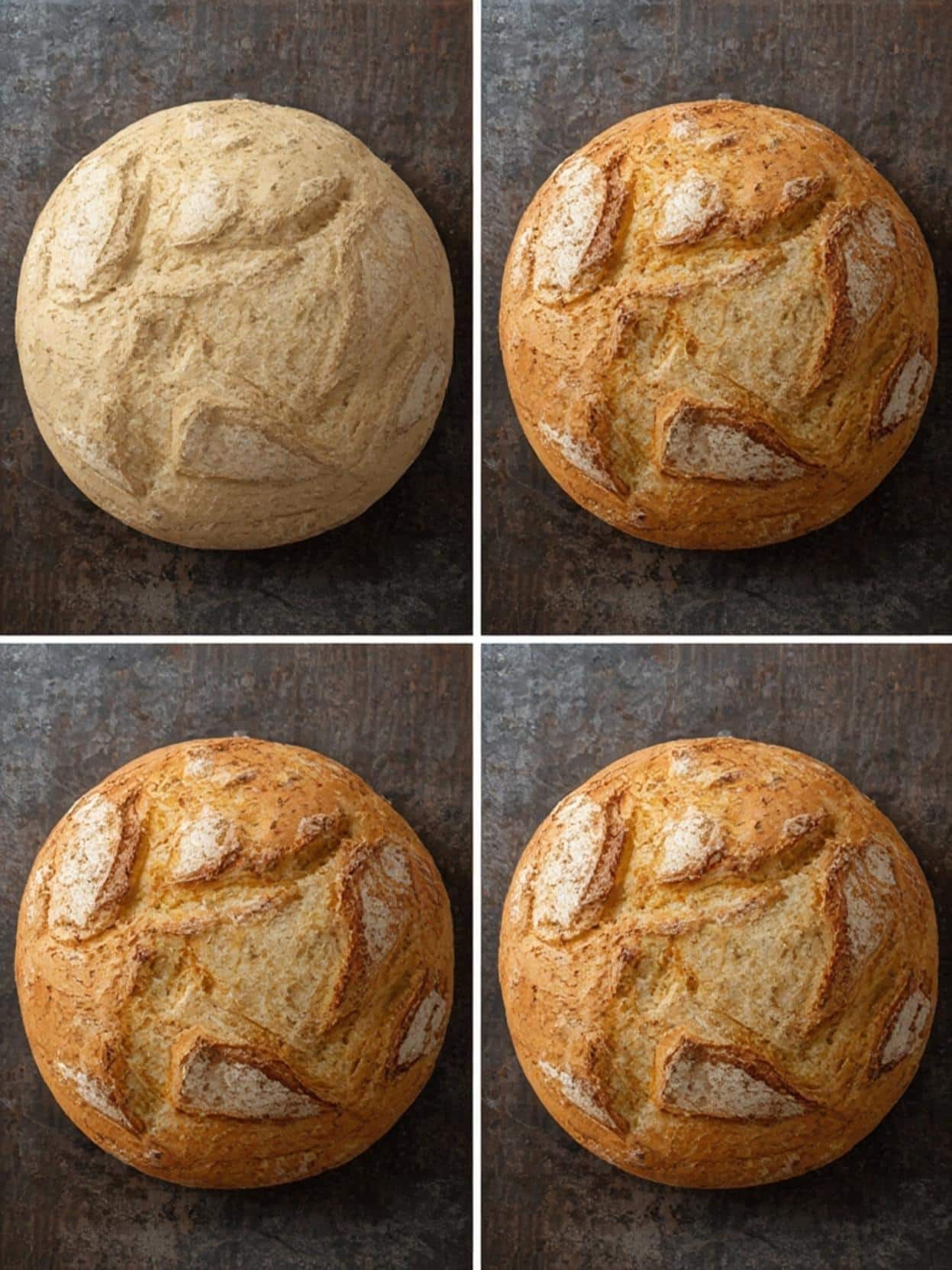
7. Turn the dough out onto a lightly floured surface. With floured hands, gently shape the dough into a round loaf about 8 inches in diameter. The dough will be slightly shaggy and rustic-looking – this is perfect!
8. Transfer the loaf to your prepared baking sheet. Using a sharp knife, cut a deep cross on top, about ½-inch deep and extending fully from edge to edge. This traditional step helps the bread cook evenly and, according to Irish folklore, “lets the fairies out.”
9. Brush the top with the tablespoon of milk, which will help create a beautiful golden crust.
Bake to Perfection
10. Bake in the preheated oven for 45-50 minutes, or until the bread is golden brown and sounds hollow when tapped on the bottom.
11. Transfer to a wire rack to cool. For a softer crust, cover with a clean kitchen towel as it cools. For a crispier crust, leave it uncovered.
12. Allow the bread to cool for at least 30 minutes before slicing – though it’s incredibly tempting, cutting into hot soda bread can make it gummy inside.
Pro Tips for Best Results
- Cold ingredients are key: Keep your butter and buttermilk refrigerated until ready to use. Cold butter creates steam pockets as it melts, resulting in a lighter texture.
- Don’t overmix: Handle the dough gently and minimally. Overworking the dough develops gluten, which can make your soda bread tough rather than tender.
- Make the cross deep: When scoring the top of your loaf, cut about halfway through the dough. This ensures the center cooks properly and gives the classic appearance.
- Check for doneness carefully: The bread should be golden brown and sound hollow when tapped on the bottom. If you’re unsure, you can use an instant-read thermometer – the internal temperature should reach 190°F (88°C).
- Serve it warm: While irish soda bread is delicious at any temperature, it’s absolutely heavenly when slightly warm with a pat of butter melting into a freshly cut slice.
Common Mistakes to Avoid
- Using old baking soda: Baking soda is the only leavening agent in this bread, so make sure yours is fresh. To test, place a little in vinegar – it should fizz vigorously.
- Overhandling the dough: Unlike yeast breads that need kneading, soda bread becomes tough when overworked. Mix just until combined and shape gently.
- Using room-temperature butter: This creates a different texture than the traditional method. Cold butter creates little pockets of air that help the bread rise properly.
- Skipping the cross on top: This isn’t just decorative – it helps the heat penetrate the center of the loaf, ensuring it cooks evenly all the way through.
- Cutting into it too soon: The bread continues cooking from residual heat as it cools. Cutting too early can result in a gummy, undercooked center.
Variations
Whole Wheat Irish Soda Bread
For a more nutritious version, replace half the all-purpose flour with whole wheat flour. This creates a nuttier flavor profile and adds more fiber. You may need to add an extra tablespoon or two of buttermilk as whole wheat flour absorbs more moisture.
Gluten-Free Irish Soda Bread
Replace the all-purpose flour with a good quality gluten-free flour blend that contains xanthan gum. Add 1 teaspoon of xanthan gum if your blend doesn’t include it. The texture will be slightly different, but still delicious.
Sweet irish desserts Version
Transform your soda bread into a sweet treat by increasing the sugar to ¼ cup, adding 1 teaspoon of vanilla extract, and mixing in 1 cup of golden raisins soaked in Irish whiskey. This makes a wonderful accompaniment to afternoon tea or coffee.
Savory Herb Version
Omit the sugar and add 2 tablespoons of fresh herbs (rosemary, thyme, and chives work beautifully), ½ cup of shredded sharp cheddar cheese, and ¼ cup of chopped green onions. This savory version pairs perfectly with soups and stews.
How to Store & Reheat
Short-term Storage
Irish soda bread is best enjoyed the day it’s made, but will keep well for 2-3 days if stored properly. Once completely cooled, wrap the bread in a clean kitchen towel or place in a paper bag. Storing in plastic can make the crust soft and sticky.
Freezing
Soda bread freezes beautifully for up to 3 months. Wrap the completely cooled loaf tightly in plastic wrap, then aluminum foil or place in a freezer-safe bag. Label with the date before freezing.
Reheating
To reheat refrigerated bread, wrap loosely in aluminum foil and warm in a 300°F (150°C) oven for about 10 minutes.
For frozen bread, thaw at room temperature for a few hours, then refresh in a 300°F (150°C) oven for 10-15 minutes.
To restore crispness to the crust, remove the foil for the last few minutes of reheating.
What to Serve With Irish Soda Bread
- Traditional Irish meal: Serve alongside corned beef and cabbage, Irish stew, or Dublin coddle for an authentic St. Patrick’s Day feast.
- Breakfast: Top with quality butter and jam or honey for a simple yet satisfying morning meal.
- Soup companion: The hearty texture makes it perfect for dipping into potato leek soup, beef stew, or any creamy soup.
- Cheese board: Add to a cheese and charcuterie board with Irish cheeses like Cashel Blue or Dubliner for a themed appetizer.
- Tea time: Pair with a strong cup of Irish breakfast tea in the afternoon.
- Simple side: Serve in place of dinner rolls alongside any main course – its neutral flavor complements almost any dish.
- Complete the Irish experience: Enjoy with Irish butter and a glass of Guinness for the ultimate cultural pairing.
FAQs
Why is it called soda bread?
Irish soda bread gets its name from the baking soda (sodium bicarbonate) used as the leavening agent instead of yeast. The baking soda reacts with the acidic buttermilk to create carbon dioxide bubbles, which help the bread rise during baking.
Is Irish soda bread supposed to be dry?
No, proper irish soda bread should be moist with a tender crumb inside and a crusty exterior. If your bread turns out dry, you might have used too little liquid, overbaked it, or overworked the dough.
Can I make Irish soda bread without buttermilk?
Buttermilk is essential for authentic flavor and proper rising, but you can make a substitute by adding 1 tablespoon of lemon juice or white vinegar to regular milk and letting it sit for 5 minutes until slightly thickened. Plain yogurt thinned with a little milk can also work in a pinch.
Why do you cut a cross in Irish soda bread?
The cross serves multiple purposes: it helps the bread cook evenly by allowing heat to penetrate the thickest part of the loaf, it allows the bread to expand properly during baking, and according to Irish tradition, it “lets the fairies out” and wards off evil.
How do I know when Irish soda bread is done baking?
Your bread is done when it’s golden brown on the outside and sounds hollow when tapped on the bottom. If you’re uncertain, use an instant-read thermometer – the internal temperature should reach 190°F (88°C).
Nutrition Overview
Values are approximate per serving (based on 12 servings per loaf)
- Calories: 215 per slice
- Carbohydrates: 40g
- Protein: 5g
- Fat: 4g
- Fiber: 1.5g (more if using whole wheat flour)
- Calcium: Good source from the buttermilk
- Sodium: Moderate, primarily from salt and baking soda
This bread is lower in fat than many other bread varieties and contains no preservatives when homemade. The addition of raisins provides natural sweetness and some additional nutrients, while the buttermilk contributes calcium and protein.
The Heart of Irish Tradition
There’s something truly special about pulling a freshly baked loaf of irish soda bread from your oven. Beyond its delicious taste and wonderful aroma, you’re participating in a tradition that has sustained Irish families for generations. Born from necessity during times when yeast and fancy flours were scarce, soda bread represents resilience, simplicity, and making something extraordinary from humble ingredients.
Whether you’re celebrating your Irish heritage, preparing for St. Patrick’s Day, or simply looking for a quick bread to accompany your dinner, this recipe delivers both authenticity and incredible flavor. The beauty of soda bread lies in its forgiving nature – even novice bakers can achieve impressive results.
So roll up your sleeves, dust your countertop with flour, and connect with this timeless tradition. Your kitchen will fill with an irresistible aroma, and your first warm slice slathered with butter will confirm why this simple bread has stood the test of time. Don’t forget to share your creation with friends and family – after all, breaking bread together is a tradition that transcends all cultures.
Have you tried making irish soda bread before? What’s your favorite way to enjoy it? We’d love to hear about your baking adventures in the comments below!