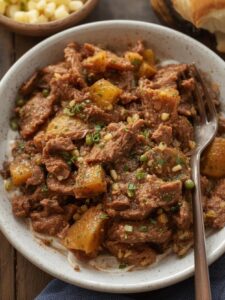
Discover the ultimate comfort food that brings families together with our classic corned beef recipes that combine tender, flavorful meat with perfectly seasoned vegetables. Whether you’re preparing for St. Patrick’s Day or simply craving a hearty, satisfying meal, these recipes transform an affordable cut of beef into a mouthwatering feast that’s both impressive and approachable. Perfect for home cooks of all skill levels, these traditional yet versatile dishes deliver incredible flavor with minimal hands-on effort.
Why You’ll Love This Recipe
- Rich, tender corned beef that practically melts in your mouth after slow cooking to perfection
- Simple preparation with big flavor payoff—mostly hands-off cooking time
- Versatile leftovers that transform into amazing sandwiches, hash, and more
- Budget-friendly meal that feeds a crowd generously
- Customizable with various vegetables and cooking methods to suit your preferences
- Makes your home smell amazing while it cooks
- Creates special memories around the dinner table with a classic American-Irish tradition
Classic Corned Beef and Cabbage
This quintessential corned beef recipes slow cooker method delivers fork-tender meat and perfectly cooked vegetables with minimal effort. The slow, gentle cooking process allows the flavors to meld beautifully while breaking down the tough cut into succulent, flavorful perfection.
Ingredients
- 3-4 pound corned beef brisket with spice packet
- 1 large onion, cut into quarters
- 4 cloves garlic, peeled and smashed
- 2 bay leaves
- 1 tablespoon whole black peppercorns
- 4 cups low-sodium beef broth
- 2 cups water
- 1 pound carrots, peeled and cut into 2-inch chunks
- 1 pound baby potatoes, halved if large
- 1 medium head green cabbage (about 2 pounds), cut into 8 wedges
- 2 tablespoons fresh parsley, chopped (for garnish)
- Dijon mustard and/or horseradish sauce, for serving

Ingredient Notes & Substitutions
Corned beef brisket: Look for flat-cut brisket if you want neat, uniform slices. Point-cut is fattier but often more flavorful and tender. If your brisket doesn’t come with a spice packet, make your own with 1 tablespoon each of pickling spices, mustard seeds, and coriander seeds.
Beef broth: While water alone works, beef broth adds significant depth of flavor. Low-sodium varieties let you control the salt level, as corned beef is already quite salty. Vegetable broth can be substituted in a pinch.
Vegetables: The classic trinity is cabbage, carrots, and potatoes, but feel free to customize. Turnips, parsnips, or rutabagas work wonderfully. For the cabbage, savoy or Napa varieties offer a milder flavor if you find green cabbage too strong.
Herbs and seasonings: The spice packet typically contains mustard seeds, coriander seeds, bay leaves, and peppercorns. Feel free to add additional fresh thyme sprigs or a teaspoon of caraway seeds for enhanced flavor.
Step-by-Step Instructions
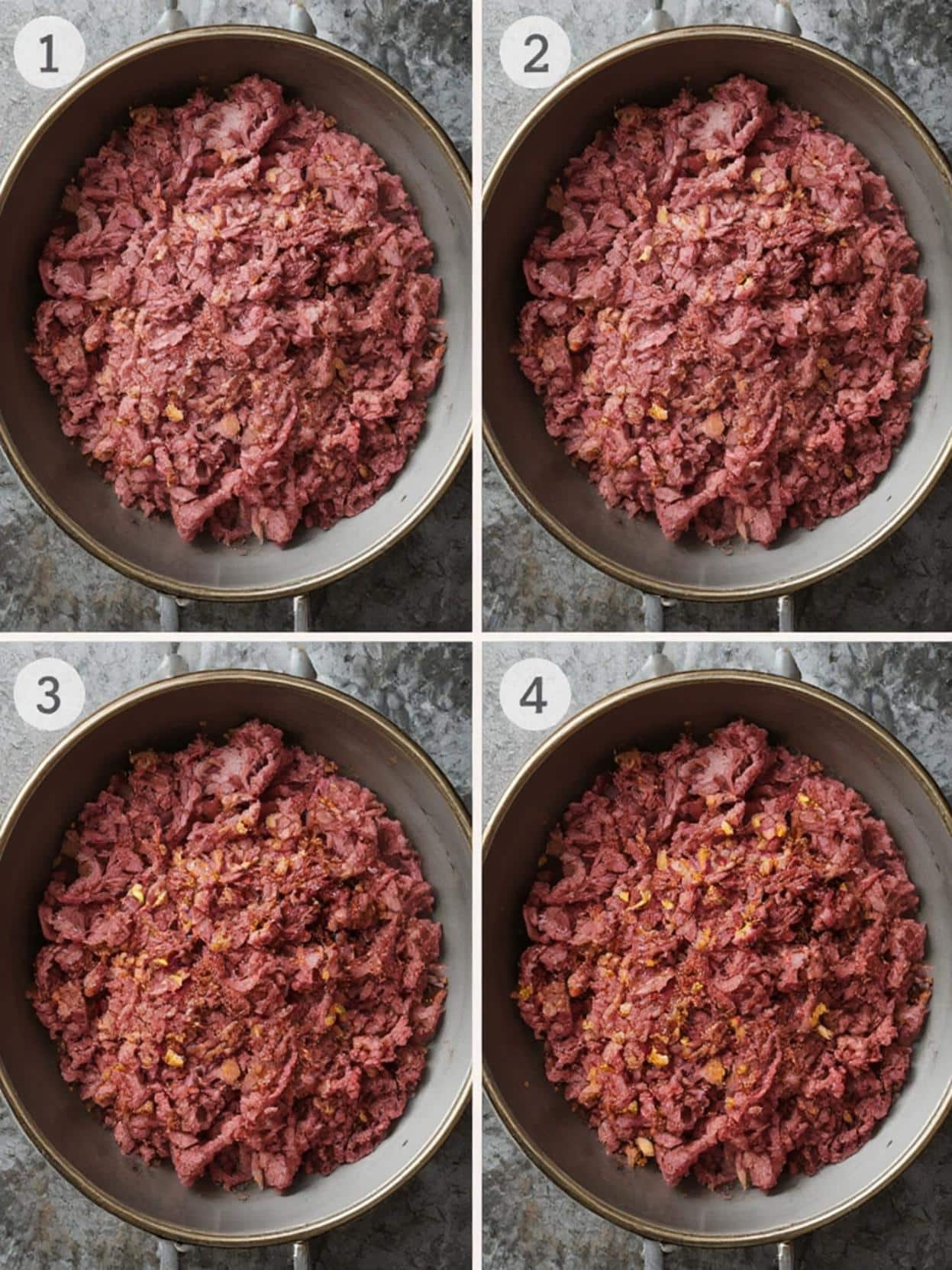
Preparing the Corned Beef
1. Remove the corned beef from its packaging and rinse thoroughly under cold water to remove excess salt. Pat dry with paper towels. If your brisket has a thick fat cap, trim it down to about ¼-inch thickness.
2. Place the corned beef in a large Dutch oven or heavy-bottomed pot, fat side up. Add the quartered onion, smashed garlic cloves, bay leaves, and peppercorns. Sprinkle the contents of the spice packet evenly over the meat.
3. Pour in the beef broth and water, adding enough liquid to just cover the brisket. The meat should be completely submerged to ensure even cooking and prevent drying.
Cooking the Corned Beef
4. Bring the liquid to a boil over high heat, then immediately reduce to a very low simmer. You should see just a few small bubbles breaking the surface. Cover with a tight-fitting lid.
5. Simmer gently for about 3 hours (or approximately 50 minutes per pound), until the meat is fork-tender when tested. The brisket should offer little resistance when pierced with a fork but shouldn’t be falling apart completely.
6. About 30 minutes before the beef is done, add the carrots and potatoes to the pot, pushing them down into the cooking liquid around the meat.
7. When there’s 15 minutes of cooking time remaining, add the cabbage wedges, arranging them on top where they’ll steam in the flavorful broth. Cover and continue cooking until the vegetables are tender but not mushy. The cabbage should retain some structure while being pleasantly soft.
Serving the Corned Beef
8. Carefully remove the corned beef to a cutting board and let it rest for 10-15 minutes before slicing. This crucial resting period allows the juices to redistribute throughout the meat.
9. While the meat rests, use a slotted spoon to transfer the vegetables to a serving platter, arranging them attractively.
10. Slice the corned beef against the grain into ¼-inch thick slices. The grain in brisket is very distinct, so look for the lines running through the meat and cut perpendicular to them for maximum tenderness.
11. Arrange the sliced meat on the platter with the vegetables, sprinkle with fresh parsley, and serve with Dijon mustard and/or horseradish sauce on the side.
Pro Tips for Best Results
- Rinse before cooking: Always rinse your corned beef thoroughly before cooking to remove excess salt from the brining process.
- Low and slow: Keep the simmer very gentle. Boiling will toughen the meat, while a gentle simmer breaks down the connective tissue for tender results.
- Fat side up: Cook with the fat cap facing upward so it bastes the meat naturally during the cooking process.
- Stage the vegetables: Add vegetables in stages based on their cooking times to prevent them from becoming mushy. Cabbage needs the least time.
- Rest before slicing: Allow the meat to rest for 10-15 minutes before slicing to keep it juicy and tender.
- Cut against the grain: Always slice perpendicular to the visible muscle fibers to ensure tender bites rather than stringy, chewy ones.
- Save the cooking liquid: Strain and refrigerate the flavorful broth for use in soups or for reheating leftovers.
Common Mistakes to Avoid
- Cooking at too high a temperature: Boiling corned beef will make it tough and rubbery. A gentle simmer is key.
- Not rinsing the meat: Skipping the rinse can result in an overly salty final dish.
- Cutting with the grain: Slicing parallel to the muscle fibers creates chewy, stringy meat. Always cut against the grain.
- Overcooking the vegetables: Adding all vegetables at the beginning will result in mushy, flavorless additions. Stagger their addition.
- Undercooking the meat: Corned beef needs time to become tender. If it’s tough, it likely needs more cooking time.
- Discarding the cooking liquid: The flavorful broth is gold for reheating leftovers or creating soups.
- Skipping the rest period: Cutting immediately after cooking causes juices to run out, resulting in drier meat.
Variations
Slow Cooker Corned Beef
For an even more hands-off approach, place the rinsed corned beef, onions, garlic, spices, and liquid in a slow cooker. Cook on low for 8-9 hours or high for 4-5 hours. Add carrots and potatoes during the final 2-3 hours, and cabbage for the last 30-45 minutes.
Oven-Baked Corned Beef with Beer
Replace half the cooking liquid with a dark beer like Guinness or a brown ale for rich, complex flavor. After the initial stovetop boil, transfer the covered Dutch oven to a 300°F oven for 3-4 hours until tender.
Healthier Corned Beef and Root Vegetables
Reduce sodium by soaking the corned beef in cold water in the refrigerator for 12-24 hours before cooking, changing the water every few hours. Use a leaner cut and skim fat from the cooking liquid. Increase the vegetable-to-meat ratio and incorporate nutrient-dense options like sweet potatoes, turnips, and kale added in the final 5 minutes.
Honey-Mustard Glazed Corned Beef
After the meat is fully cooked, transfer it to a baking dish. Mix 1/4 cup honey with 2 tablespoons Dijon mustard and 2 tablespoons brown sugar. Brush over the fat cap and bake at 375°F for 15 minutes until caramelized.
How to Store & Reheat
Storage
- Refrigerating: Cool the corned beef completely, then store in an airtight container covered with some of the cooking liquid to maintain moisture. It will keep for 3-4 days.
- Freezing: Slice cooled corned beef and place in freezer-safe containers or heavy-duty freezer bags with a small amount of cooking liquid. Freeze for up to 2-3 months. Vegetables can be frozen separately but may lose some texture.
Reheating
- Stovetop: Place slices in a skillet with a few tablespoons of the reserved cooking liquid. Cover and heat gently over medium-low heat until warmed through, about 5-8 minutes.
- Oven: Place meat and vegetables in a baking dish, add a few tablespoons of cooking liquid or beef broth, cover tightly with foil, and warm in a 325°F oven for 15-20 minutes.
- Microwave: For quick results, place slices in a microwave-safe dish with a tablespoon of liquid, cover with a damp paper towel, and heat in 30-second intervals until warmed through.
What to Serve With Corned Beef Recipes
- Irish soda bread or warm rye bread with butter
- Creamy horseradish sauce or whole grain mustard
- Pickles or pickled red onions for acidity to cut through the richness
- A simple green salad with vinaigrette dressing
- Irish beer like Guinness or Murphy’s Stout
- Apple cider for a non-alcoholic pairing
- Irish coffee or bread pudding for dessert
FAQs
How do I select the best corned beef for cooking?
Look for meat that has a bright pink color and is evenly moist without dry edges. Choose flat-cut (leaner, uniform slices) for presentation or point-cut (fattier, more flavor) for maximum tenderness. For a family of four, a 3-4 pound brisket is ideal, allowing for some leftovers.
Why is my corned beef tough?
Tough corned beef usually means it hasn’t cooked long enough. This cut requires low, slow cooking to break down the connective tissues. If your meat is tough, return it to the pot and continue cooking at a gentle simmer until it’s fork-tender. Also, ensure you’re slicing against the grain when serving.
Can I make corned beef in a pressure cooker?
Absolutely! Place the rinsed corned beef, spices, and liquid in your pressure cooker. Cook on high pressure for about 90 minutes for a 3-4 pound brisket, followed by a natural pressure release. Add vegetables and pressure cook for an additional 3-5 minutes with quick release. This method reduces cooking time significantly while maintaining tenderness.
How do I reduce the saltiness in corned beef?
Rinse the meat thoroughly before cooking. For significantly less salt, soak it in cold water for 12-24 hours in the refrigerator, changing the water every few hours. Using low-sodium broth instead of water for cooking also helps balance the flavor while adding depth.
What are the best ways to use leftover corned beef?
Transform leftovers into corned beef hash with diced potatoes and onions, topped with a fried egg. Make Reuben sandwiches with Swiss cheese, sauerkraut, and Russian dressing on rye bread. Add to breakfast omelets with potatoes and bell peppers, or chop finely to include in savory bread pudding or quiche.
Nutrition Overview
One serving of corned beef with vegetables (approximately 4 ounces of meat plus vegetables) contains roughly:
- Calories: 350-400
- Protein: 25-30g
- Fat: 20-25g
- Carbohydrates: 15-20g
- Sodium: 800-1,200mg (varies based on preparation)
- Fiber: 3-4g
- Iron: 15% of daily value
- Potassium: 15% of daily value
Note that corned beef is relatively high in sodium due to the curing process. The vegetable accompaniments provide essential vitamins, minerals, and fiber. For those monitoring sodium intake, the soaking method mentioned in the variations section can help reduce salt content.
Discovering the Joy of Corned Beef
There’s something truly special about mastering classic corned beef recipes that can become part of your family’s tradition. Whether you’re celebrating St. Patrick’s Day or simply creating a hearty weekend meal, the rich flavors and tender texture of well-prepared corned beef bring comfort and satisfaction to the table.
Don’t limit this delicious dish to once a year—with the variations and leftover ideas we’ve shared, corned beef can become a versatile addition to your regular cooking repertoire. The combination of simple technique and patience rewards you with a meal that feels both special and comforting.
We’d love to hear how your corned beef turns out! Share your results, questions, or favorite ways to enjoy leftovers in the comments below. And if you’re looking for more hearty, satisfying recipes that deliver big flavor with simple techniques, be sure to subscribe to our newsletter for weekly inspiration delivered straight to your inbox.