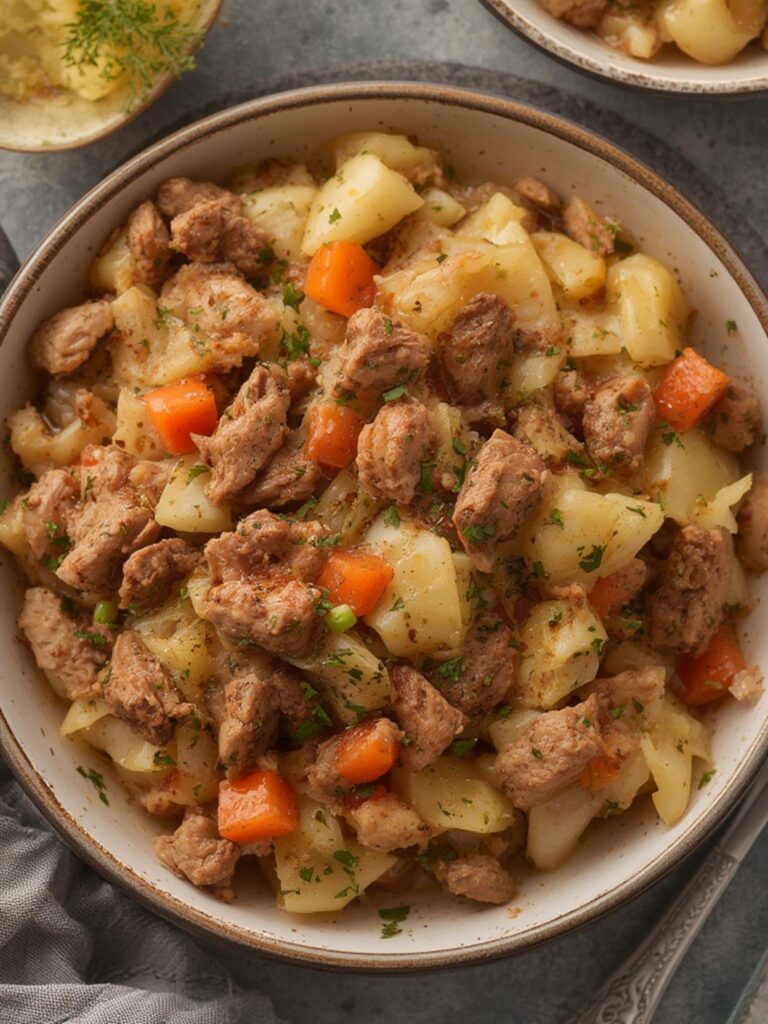
Classic Corned Beef and Cabbage Recipe
There’s something undeniably comforting about a steaming plate of tender corned beef and cabbage with perfectly cooked vegetables. This traditional Irish-American dish has become the centerpiece of St. Patrick’s Day celebrations across the United States, but it’s delicious enough to enjoy year-round. My recipe breaks down this classic comfort food into simple steps, making it approachable even for kitchen beginners. Whether you’re celebrating a holiday or simply craving a hearty, flavorful meal that feeds a crowd, this recipe delivers restaurant-quality results right in your home kitchen.
Why You’ll Love This Recipe
- Foolproof technique that delivers tender, flavorful corned beef every time
- One-pot meal that minimizes cleanup while maximizing flavor
- Simple ingredients that are easy to find at any grocery store
- Make-ahead friendly for stress-free entertaining or meal prep
- Budget-friendly way to feed a large family or gathering
- Adaptable for stovetop, slow cooker, or Instant Pot preparation
- Packed with vegetables for a complete, balanced meal
- Leftovers are amazing for sandwiches, hash, and more
Ingredients
- 4-5 pounds corned beef brisket with spice packet
- 2 tablespoons vegetable oil (if browning the meat)
- 1 large onion, quartered
- 4 cloves garlic, peeled and smashed
- 2 bay leaves
- 1 tablespoon whole peppercorns
- 8 cups cold water (or enough to cover the brisket)
- 1 pound carrots, peeled and cut into 2-inch chunks
- 2 pounds small red or gold potatoes, halved if larger than 2 inches
- 1 large head green cabbage (about 2-3 pounds), cut into 8 wedges
- 2 tablespoons fresh parsley, chopped (for garnish)
- Dijon mustard and/or horseradish cream (for serving)
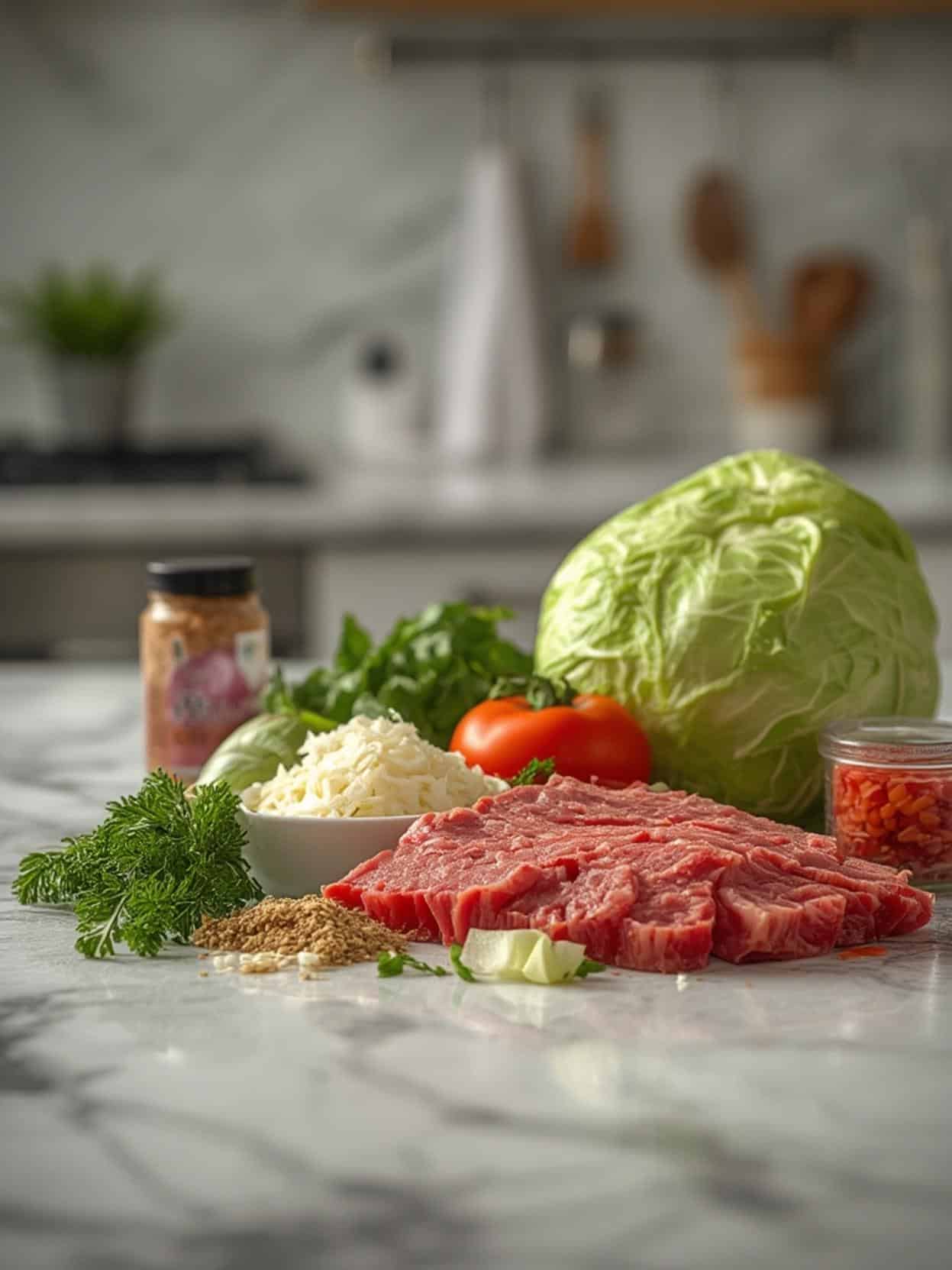
Ingredient Notes & Substitutions
Corned Beef
The star of this boiled dinner, corned beef cabbage recipe is, of course, the meat itself. Corned beef comes in two main cuts: the flat cut and the point cut. The flat cut is leaner and slices beautifully, while the point cut has more marbling and flavor but can be a bit trickier to slice neatly. Either works well in this recipe, though I prefer the flat cut for presentation.
If your brisket doesn’t come with a spice packet, you can create your own with 1 tablespoon each of whole mustard seeds, coriander seeds, and black peppercorns, plus 6 whole cloves, 6 allspice berries, and 2 crumbled bay leaves.
Vegetables
While the classic vegetables for corned beef and cabbage are carrots, potatoes, and cabbage, you can customize based on preference:
- Potatoes: Red or gold potatoes hold their shape best, but russets will work in a pinch.
- Cabbage: Green cabbage is traditional, but savoy cabbage provides a more delicate texture and milder flavor.
- Additional vegetables: Turnips, parsnips, or rutabagas make excellent additions – just cut them to similar sizes as the carrots.
Flavorings
For enhanced flavor, consider these additions:
- 1 cup of beer (preferably a dark stout) can replace some of the cooking water
- 1-2 tablespoons of brown sugar adds subtle sweetness that balances the saltiness
- 2-3 sprigs of fresh thyme or 1 teaspoon dried thyme adds herbal notes
Step-by-Step Instructions

Preparing the Corned Beef
1. Rinse the brisket: Remove the corned beef from its packaging and rinse thoroughly under cold water. This helps remove excess salt from the brining process. Pat dry with paper towels.
2. Optional browning step: Heat vegetable oil in a large Dutch oven over medium-high heat. Brown the corned beef on all sides until golden, about 3-4 minutes per side. This step enhances flavor but isn’t strictly necessary.
3. Add aromatics: Place the browned or rinsed corned beef in a large pot or Dutch oven. Add the quartered onion, smashed garlic cloves, bay leaves, peppercorns, and the contents of the spice packet that came with your brisket.
4. Add liquid: Pour in enough cold water to cover the meat by 1 inch (approximately 8 cups, but adjust as needed for your pot size). If using beer, add it now along with enough water to cover.
Cooking the Corned Beef
5. Bring to a boil: Set the pot over high heat and bring to a boil. Once boiling, immediately reduce the heat to maintain a gentle simmer. Skim off any foam that rises to the surface.
6. Simmer: Cover the pot and simmer for about 2½ to 3 hours, until the corned beef is fork-tender. The meat should easily yield when pierced with a fork but shouldn’t be falling apart. For a 4-5 pound brisket, plan on roughly 50 minutes of cooking time per pound.
Adding the Vegetables
7. Prepare vegetables: When the beef is almost tender (about 30 minutes before it’s done), prepare your vegetables. Peel and chunk the carrots, halve the potatoes if needed, and cut the cabbage into wedges, keeping the core intact to hold each wedge together.
8. Add root vegetables: Add potatoes and carrots to the pot around the beef. Return to a simmer and cook for 15 minutes.
9. Add cabbage: Place the cabbage wedges in the pot, nestling them into the cooking liquid. Cover and continue simmering for 15 more minutes, until all vegetables are tender when pierced with a knife.
Serving
10. Rest the meat: Carefully transfer the corned beef to a cutting board and let rest for 10-15 minutes. This crucial step allows the juices to redistribute, ensuring moist, flavorful meat.
11. Slice against the grain: Using a sharp knife, slice the corned beef against the grain into ¼-inch slices. Cutting against the grain shortens the muscle fibers, making each bite more tender.
12. Arrange and serve: Place sliced corned beef on a large platter surrounded by the cooked vegetables. Ladle some of the cooking liquid over the meat and vegetables, sprinkle with chopped parsley, and serve with Dijon mustard and/or horseradish cream on the side.
Pro Tips for Best Results
- Don’t rush the cooking process. Low and slow is the key to tender corned beef. Keep the simmer gentle – never let it reach a rolling boil after the initial boiling step.
- Check for doneness with a fork, not by time alone. The meat should be tender enough that a fork easily slides in but still hold together for slicing.
- Skim the cooking liquid periodically to remove foam and excess fat for a cleaner-tasting broth.
- Add the vegetables in stages based on their cooking times. This prevents some from overcooking while others remain undercooked.
- For a less salty flavor, you can parboil the corned beef first: Cover with water, bring to a boil, then drain and rinse before proceeding with the recipe.
- Use the cooking liquid as a flavorful base for the vegetables – it infuses them with all the delicious spices and beef flavor.
- Let the meat rest before slicing to retain moisture and make for easier cutting.
Common Mistakes to Avoid
- Skipping the rinsing step: Not rinsing the corned beef can result in an overly salty final dish.
- Boiling instead of simmering: Cooking at too high a temperature will toughen the meat. Keep it at a gentle simmer.
- Cutting with the grain: Always slice corned beef against the grain for tenderness. If you cut with the grain, the meat will be stringy and tough.
- Overcooking the vegetables: Adding all vegetables at the beginning will result in mushy vegetables with little texture.
- Undercooking the meat: Corned beef needs time to become tender. If it’s tough, it likely needs more cooking time.
- Overcrowding the pot: Make sure you use a pot large enough to comfortably fit all ingredients without cramming them together.
- Not tasting before serving: The seasoning level can vary between brands of corned beef, so always taste the cooking liquid and adjust seasonings if needed.
Variations
Slow Cooker Corned Beef and Cabbage
For a hands-off approach:
1. Place corned beef and spices in a slow cooker with onions and garlic.
2. Add liquid to cover halfway.
3. Cook on low for 8-9 hours or high for 4-5 hours.
4. Add potatoes and carrots during the last 3 hours (on low) or 1½ hours (on high).
5. Add cabbage during the last 1 hour of cooking.
This method produces exceptionally tender meat and is perfect for busy days.
Instant Pot Corned Beef and Cabbage
For the quickest version:
1. Place corned beef, spices, onion, and garlic in the Instant Pot.
2. Add 4 cups of liquid.
3. Pressure cook on high for 90 minutes for a 4-pound brisket (adjust time for different weights).
4. Quick release pressure, then remove beef and keep warm.
5. Add vegetables to the liquid and pressure cook for 3-4 minutes.
6. Quick release pressure and serve.
Healthier Option
To reduce sodium and fat:
1. Soak the corned beef in cold water for 24 hours before cooking, changing the water several times.
2. Use a leaner flat cut brisket.
3. After cooking, chill the cooking liquid and remove the hardened fat before reheating.
4. Increase the vegetable-to-meat ratio on your plate.
5. Add extra cabbage and other vegetables like Brussels sprouts for additional nutrition.
How to Store & Reheat
Storage
- Refrigerator: Store cooled leftover corned beef and cabbage in airtight containers for up to 3-4 days. I recommend storing the meat separately from the vegetables for best results.
- Freezer: Slice cooled corned beef and place in freezer-safe bags with some of the cooking liquid to maintain moisture. Freeze for up to 2-3 months. The cooked vegetables don’t freeze well, so I don’t recommend freezing them.
Reheating
- Stovetop: Place sliced corned beef in a shallow pan with a few tablespoons of the reserved cooking liquid. Cover and warm over low heat until heated through, about 5-7 minutes.
- Oven: Place corned beef and vegetables in a covered baking dish with a little cooking liquid. Heat at 325°F (165°C) for about 15-20 minutes until warmed through.
- Microwave: For quick reheating, place a portion on a microwave-safe plate, add a splash of cooking liquid or water, cover with a damp paper towel, and heat on medium power in 30-second increments until warm.
What to Serve With Corned Beef and Cabbage
This hearty boiled dinner, corned beef cabbage recipe is essentially a complete meal, but these accompaniments can enhance your dining experience:
- Irish soda bread or crusty rye bread for sopping up the flavorful juices
- Dijon mustard or whole grain mustard for serving alongside
- Horseradish cream sauce (mix prepared horseradish with sour cream)
- Apple cider vinegar on the side to drizzle over the cabbage
- Irish butter for the potatoes
- A simple green salad with a light vinaigrette to balance the richness
- A pint of Guinness or other Irish stout beer
- Irish coffee for dessert
FAQs
How do I know when corned beef is fully cooked?
Corned beef is fully cooked when it reaches an internal temperature of 145°F (63°C), but for the most tender results, you’ll want to cook it until it reaches 195°F (90°C). At this temperature, the tough connective tissues break down, resulting in meat that’s fork-tender. A meat thermometer is the most reliable way to check, but you can also test by inserting a fork – it should slide in and out with very little resistance.
Why is my corned beef tough?
Tough corned beef is almost always undercooked. Unlike many cuts of meat that can become tough when overcooked, corned beef brisket needs long, slow cooking to break down the connective tissues. If your corned beef is tough, continue cooking it longer. Be patient – it might need another 30-60 minutes of gentle simmering.
Is corned beef and cabbage actually Irish?
While corned beef and cabbage is associated with Irish cuisine in America, it’s actually an Irish-American adaptation. In Ireland, the traditional dish was bacon and cabbage. When Irish immigrants came to America, they substituted the more affordable corned beef for bacon, creating the dish we know today as a St. Patrick’s Day staple.
What’s the difference between corned beef and pastrami?
Both corned beef and pastrami start as beef brisket that’s been cured in a salt brine. The main differences are in the seasonings and cooking method. Corned beef is typically seasoned with a spice mixture featuring coriander, mustard seeds, and bay leaves, then simmered in water. Pastrami is seasoned with more black pepper and coriander, then smoked rather than boiled.
What can I do with leftover corned beef?
Leftover corned beef is incredibly versatile! Some popular options include:
- Corned beef hash with potatoes and eggs for breakfast
- Reuben sandwiches with sauerkraut, Swiss cheese, and Russian dressing
- Corned beef tacos with cabbage slaw
- Diced corned beef in potato soup
- Corned beef and cabbage egg rolls
- Corned beef fried rice
Nutrition Information
The following nutrition information is approximate per serving (based on 8 servings) and should be used as a general guide:
- Calories: 450-550 kcal
- Protein: 35-40g
- Carbohydrates: 30-35g
- Fat: 20-25g (varies based on how much fat is trimmed)
- Fiber: 5-7g
- Sodium: 1,500-1,800mg (corned beef is naturally high in sodium due to the brining process)
This dish provides significant amounts of vitamins A and C from the vegetables, as well as iron and B vitamins from the beef. The high sodium content is typical for corned beef, which is why it’s considered an occasional treat rather than an everyday meal.
Ready to Try This Classic Comfort Food?
There’s something truly special about the way corned beef and cabbage brings people together around the table. The tender, flavorful meat, the perfectly cooked vegetables, and the aromatic broth create a dining experience that’s both satisfying and memorable.
Whether you’re celebrating St. Patrick’s Day or simply looking for a hearty, comforting meal to feed your family, this recipe delivers consistently excellent results with minimal fuss. The best part? The leftovers might be even better than the original meal!
I’d love to hear how this recipe turns out for you. Did you try any of the variations? What did you serve alongside your corned beef? Leave a comment below sharing your experience or any questions you might have. Happy cooking!