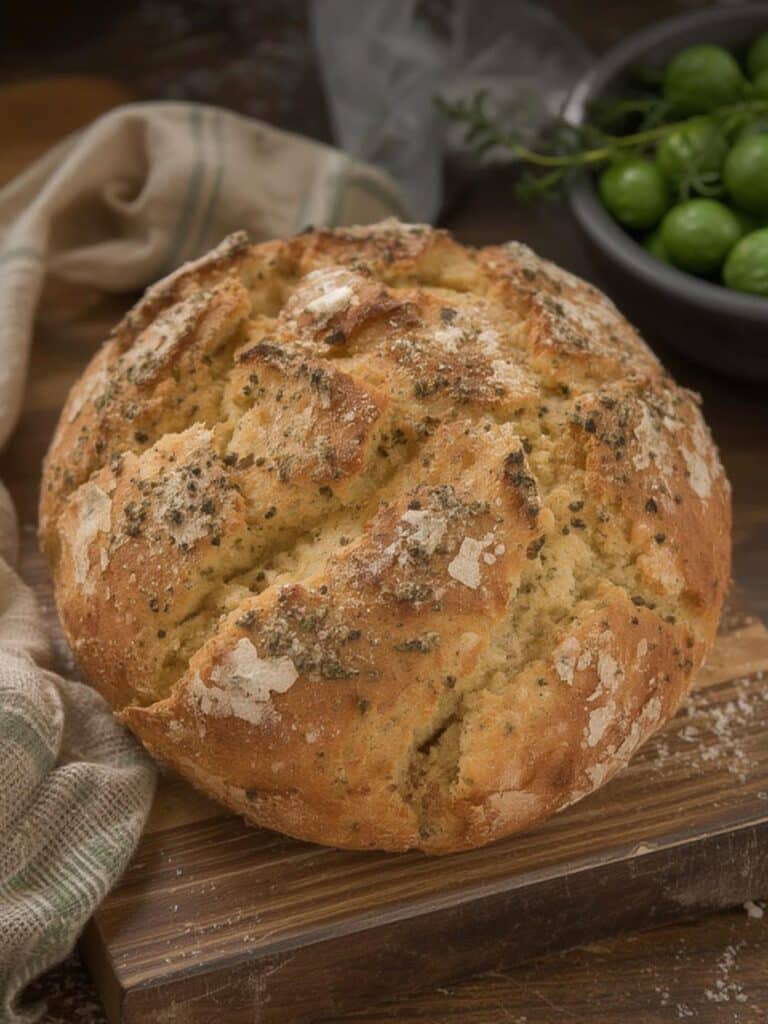
There’s nothing quite like the comforting aroma of freshly baked [irish soda bread](https://www.nytrecipe.com/easy-corned-beef-recipes-slow-cooker-tender-juicy-every-time/) wafting through your kitchen. This rustic loaf has been a staple in Irish households for generations, and for good reason—it’s incredibly easy to make with just a few basic ingredients and no yeast required. Whether you’re celebrating St. Patrick’s Day or simply craving a hearty, homemade bread that comes together in under an hour, this [traditional irish soda bread, soda bread with buttermilk, no yeast bread](https://www.kingarthurbaking.com/recipes/irish-soda-bread-recipe) recipe is perfect for both novice and experienced bakers alike.
Why You’ll Love This Recipe
- No yeast or rising time needed—this bread goes from mixing bowl to table in under an hour
- Uses simple pantry staples you likely already have on hand
- Creates a rustic, crusty exterior with a tender, slightly dense interior
- Versatile enough to serve with soups, stews, or simply slathered with butter and jam
- Authentic flavor with modern conveniences for busy home cooks
- Easily customizable with add-ins like raisins, caraway seeds, or herbs
- Perfect introduction to bread baking for beginners
- Makes a beautiful centerpiece for holiday meals or everyday dinners
Ingredients for [Irish Soda Bread](https://www.nytrecipe.com/easy-corned-beef-recipes-slow-cooker-tender-juicy-every-time/)
- 4 cups all-purpose flour
- 1 teaspoon baking soda
- 1½ teaspoons salt
- 2 tablespoons granulated sugar (optional, for slightly sweeter bread)
- 4 tablespoons (½ stick) cold unsalted butter
- 1¾ cups buttermilk
- 1 large egg
- 1 cup raisins or currants (optional)
- 1 tablespoon caraway seeds (optional)
- 2 tablespoons melted butter (for brushing)

Ingredient Notes & Substitutions
Flour
Traditional [irish soda bread](https://www.nytrecipe.com/easy-corned-beef-recipes-slow-cooker-tender-juicy-every-time/) uses a mix of white and whole wheat flour. For a more authentic version, replace 1 cup of the all-purpose flour with whole wheat flour. This will give your bread a heartier texture and nuttier flavor.
Buttermilk
Buttermilk is crucial for this recipe as it reacts with the baking soda to help the bread rise and gives it that distinctive tangy flavor. If you don’t have buttermilk, make a quick substitute by adding 1½ tablespoons of white vinegar or lemon juice to regular milk and letting it sit for 5-10 minutes until slightly thickened.
Raisins and Caraway Seeds
These are traditional add-ins for American-style [traditional irish soda bread](https://www.kingarthurbaking.com/recipes/irish-soda-bread-recipe), though purists might argue that the most authentic version doesn’t include them. Raisins add sweetness while caraway seeds provide a distinctive aromatic flavor. Feel free to omit either or both based on your preference.
Sugar
Historically, [irish soda bread](https://www.nytrecipe.com/easy-corned-beef-recipes-slow-cooker-tender-juicy-every-time/) wasn’t sweet, but many American adaptations include a touch of sugar. For a more authentic loaf, you can reduce or omit the sugar entirely.
Butter
While some very traditional recipes use only flour, baking soda, salt, and buttermilk, the addition of butter creates a more tender crumb. If you’re looking for an ultra-authentic version, you can reduce the butter to 2 tablespoons or omit it entirely (though the texture will be more dense).
Step-by-Step Instructions for Perfect [Irish Soda Bread](https://www.nytrecipe.com/easy-corned-beef-recipes-slow-cooker-tender-juicy-every-time/)
Preheat and Prepare
1. Position a rack in the center of your oven and preheat to 425°F (220°C). Line a baking sheet with parchment paper or lightly dust a cast iron skillet with flour.
2. In a large mixing bowl, whisk together the flour, baking soda, salt, and sugar (if using) until well combined.
Mix the Dough
3. Cut the cold butter into small cubes and add to the flour mixture. Using your fingertips, quickly rub the butter into the flour until it resembles coarse crumbs. Work quickly to prevent the butter from melting.
4. In a separate bowl, lightly beat the egg and then whisk in the buttermilk until combined.
5. If using raisins and caraway seeds, stir them into the dry ingredients now.
6. Make a well in the center of your dry ingredients and pour in the buttermilk mixture. Using a wooden spoon or your hands, mix until a shaggy dough forms. The dough should be soft but not too sticky—if it seems dry, add an extra splash of buttermilk.
Shape and Score
7. Turn the dough onto a lightly floured surface and gently knead for about 30 seconds to 1 minute—just enough to bring it together. Over-kneading will result in a tough loaf.
8. Shape the dough into a round about 8 inches in diameter and place it on your prepared baking sheet or in the skillet.
9. Using a sharp knife, cut a deep cross on top of the loaf, about ½-inch deep and extending fully from edge to edge. This isn’t just decorative—it helps the heat penetrate the thickest part of the bread and allows it to expand properly while baking.
10. Brush the top of the loaf with melted butter for a golden, flavorful crust.
Bake to Perfection
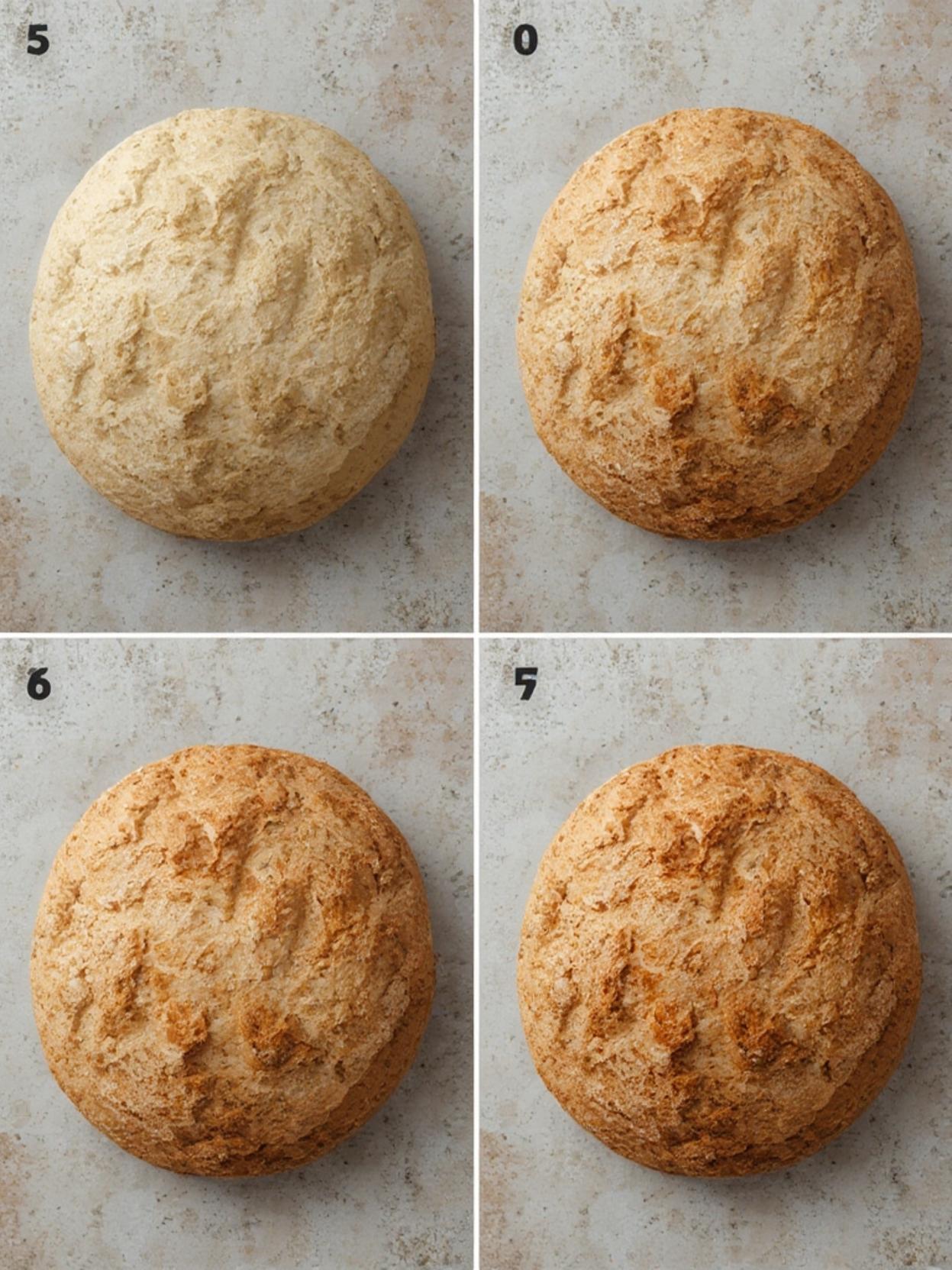
11. Bake for 30-35 minutes, or until the loaf is golden brown and sounds hollow when tapped on the bottom. If you’re unsure, insert an instant-read thermometer into the center—it should register at least 190°F (88°C).
12. Transfer to a wire rack and allow to cool for at least 10 minutes before slicing. The bread will continue cooking slightly as it cools.
Pro Tips for Best Results
- Keep your ingredients cold. Cold butter and buttermilk help create a tender crumb in the final bread.
- Handle the dough minimally. Unlike yeast breads that require kneading, [soda bread with buttermilk](https://www.kingarthurbaking.com/recipes/irish-soda-bread-recipe) should be handled gently and briefly to avoid developing too much gluten, which could make your bread tough.
- The deeper you cut the cross on top, the better your bread will rise in the oven. Aim for cuts that are at least ½-inch deep.
- For a softer crust, cover the bread with a clean kitchen towel as it cools.
- [Irish soda bread](https://www.nytrecipe.com/easy-corned-beef-recipes-slow-cooker-tender-juicy-every-time/) is best enjoyed the day it’s made, but you can refresh day-old bread by warming it briefly in a 350°F oven.
- For extra flavor, sprinkle the top with a few oats or a little coarse salt before baking.
- Using a cast iron skillet will give your bread a crispier bottom crust than a baking sheet, but either method works well.
Common Mistakes to Avoid
Overworking the Dough
Unlike yeast breads, [no yeast bread](https://www.kingarthurbaking.com/recipes/irish-soda-bread-recipe) like soda bread doesn’t benefit from extended kneading. Too much handling activates the gluten and results in a tough, dense loaf. Mix just until the ingredients come together.
Using Old Baking Soda
Baking soda is the only leavening agent in this recipe, so make sure yours is fresh. If it’s been in your pantry for more than 6 months, consider replacing it to ensure your bread rises properly.
Skipping the Cross Cut
The traditional cross cut on top isn’t just decorative—it helps the bread bake evenly all the way through. Without it, the center may remain doughy while the outside gets too brown.
Using Warm Buttermilk
Cold buttermilk helps keep the butter from melting prematurely, which is important for creating a tender crumb. Take the buttermilk straight from the refrigerator when you’re ready to use it.
Slicing Too Soon
It’s tempting to cut into warm bread, but allowing your [irish soda bread](https://www.nytrecipe.com/easy-corned-beef-recipes-slow-cooker-tender-juicy-every-time/) to cool for at least 10 minutes helps set the structure and prevents a gummy interior.
Delicious Variations
Sweet [Irish Soda Bread](https://www.nytrecipe.com/easy-corned-beef-recipes-slow-cooker-tender-juicy-every-time/)
- Increase sugar to ¼ cup
- Add 1 tablespoon orange zest
- Use 1½ cups raisins or currants
- Brush with honey butter after baking for a glossy, sweet finish
Savory Herb Soda Bread
- Omit sugar
- Add 2 tablespoons fresh chopped rosemary or thyme
- Include ½ cup grated Parmesan or sharp cheddar cheese
- Add 2 cloves minced garlic to the buttermilk mixture
Gluten-Free Irish Soda Bread
- Replace all-purpose flour with a good quality gluten-free flour blend that contains xanthan gum
- Add 1 teaspoon of xanthan gum if your blend doesn’t include it
- Increase buttermilk to 2 cups, as gluten-free flours tend to absorb more liquid
Whole Grain Variation
- Replace half the all-purpose flour with whole wheat flour
- Add 2 tablespoons of wheat germ or ground flaxseed for extra nutrition
- Include ¼ cup of rolled oats for texture
- Consider adding an extra 2 tablespoons of buttermilk if the dough seems dry
How to Store & Reheat
[Irish soda bread](https://www.nytrecipe.com/easy-corned-beef-recipes-slow-cooker-tender-juicy-every-time/) is truly best on the day it’s made, but proper storage can help maintain its quality.
Short-Term Storage
To store for 1-2 days, wrap the completely cooled bread tightly in plastic wrap or place in a sealed container at room temperature. This helps prevent it from drying out too quickly.
Freezing
For longer storage, [soda bread with buttermilk](https://www.kingarthurbaking.com/recipes/irish-soda-bread-recipe) freezes beautifully:
1. Allow the bread to cool completely
2. Wrap tightly in plastic wrap, then aluminum foil
3. Place in a freezer bag, removing as much air as possible
4. Freeze for up to 3 months
5. Label with the date so you know when you made it
Reheating
To refresh day-old or frozen [irish soda bread](https://www.nytrecipe.com/easy-corned-beef-recipes-slow-cooker-tender-juicy-every-time/):
1. Preheat your oven to 350°F (175°C)
2. If frozen, thaw the bread at room temperature first
3. Lightly sprinkle the loaf with water (or brush with butter)
4. Wrap loosely in aluminum foil
5. Heat for 10-15 minutes until warmed through
6. Remove the foil for the last 5 minutes if you want to crisp up the crust
What to Serve With [Irish Soda Bread](https://www.nytrecipe.com/easy-corned-beef-recipes-slow-cooker-tender-juicy-every-time/)
This versatile bread pairs beautifully with both sweet and savory accompaniments:
Traditional Irish Pairings
- Spread generously with good Irish butter
- Serve alongside a hearty Irish stew
- Pair with corned beef and cabbage for St. Patrick’s Day
- Enjoy with smoked salmon and cream cheese
- Dip into potato soup or leek and potato soup
Sweet Accompaniments
- Irish butter and good quality honey or jam
- Apple butter or pear preserves
- Clotted cream with fresh berries
- Orange marmalade (especially nice with the currant version)
Savory Options
- Use for dunking in soups and stews
- Top with sharp cheddar and chutney
- Serve with eggs and bacon for breakfast
- Use as a base for open-faced sandwiches
Beverage Pairings
- Hot tea (Irish breakfast tea is traditional)
- Irish coffee
- Guinness or other stout beer
- Hot chocolate for a sweet treat
FAQs About [Irish Soda Bread](https://www.nytrecipe.com/easy-corned-beef-recipes-slow-cooker-tender-juicy-every-time/)
Why is my soda bread dense and heavy?
Several factors can cause dense soda bread: using old baking soda that’s lost its potency, overworking the dough, not cutting the cross deep enough, or using too little buttermilk. For lighter bread, handle the dough minimally, ensure your baking soda is fresh, and make a deep cross cut before baking.
Can I make [irish soda bread](https://www.nytrecipe.com/easy-corned-beef-recipes-slow-cooker-tender-juicy-every-time/) without buttermilk?
While buttermilk is traditional and provides both flavor and acidity to activate the baking soda, you can substitute it. Mix 1¾ cups milk with 1½ tablespoons lemon juice or white vinegar and let stand for 5-10 minutes before using. The bread won’t have quite the same tang, but it will still rise properly.
What’s the significance of the cross on top of soda bread?
The cross cut serves multiple purposes: it helps heat penetrate the center of the loaf for even baking, allows the bread to expand properly, and traditionally was said to “let the fairies out” or ward off evil. From a practical standpoint, it also divides the bread into quarters (“faring” the bread) making it easier to break apart and share.
How do I know when my [soda bread with buttermilk](https://www.kingarthurbaking.com/recipes/irish-soda-bread-recipe) is fully baked?
A properly baked soda bread will sound hollow when tapped on the bottom. If you’re unsure, use an instant-read thermometer inserted into the center—it should register at least 190°F (88°C). The crust should be a deep golden brown, and the cross cut should appear dry and set.
Is [irish soda bread](https://www.nytrecipe.com/easy-corned-beef-recipes-slow-cooker-tender-juicy-every-time/) really Irish?
Yes! Soda bread has been a staple in Ireland since the 1830s when baking soda was introduced as a leavening agent. It became popular because it required few ingredients and no yeast (which was expensive and less available). The traditional Irish version is quite plain, made with just flour, baking soda, salt, and buttermilk. The American-Irish version often includes butter, sugar, eggs, raisins, and caraway seeds.
Nutrition Overview
Please note that these values are approximate and can vary based on specific ingredients and portions:
- Calories: Approximately 180-200 per slice (12 slices per loaf)
- Carbohydrates: 32-35g per slice
- Protein: 4-5g per slice
- Fat: 4-6g per slice
- Fiber: 1-2g per slice (more if using whole wheat flour)
- Sodium: 250-300mg per slice
The addition of raisins will increase the sugar and calorie content, while using whole wheat flour will boost the fiber. This bread is a good source of calcium from the buttermilk and provides quick energy from the carbohydrates.
Ready to Experience Irish Tradition in Your Kitchen?
There’s something deeply satisfying about pulling a fresh loaf of [irish soda bread](https://www.nytrecipe.com/easy-corned-beef-recipes-slow-cooker-tender-juicy-every-time/) from your oven, breaking into the crusty exterior, and enjoying that first warm, tender bite. This humble bread embodies the spirit of Irish cooking—simple, nourishing, and made with care from basic ingredients.
Whether you’re honoring your Irish heritage, celebrating St. Patrick’s Day, or simply wanting to try your hand at an easy bread recipe without the fuss of yeast, this [traditional irish soda bread](https://www.kingarthurbaking.com/recipes/irish-soda-bread-recipe) delivers time and time again. The beauty of soda bread lies in its simplicity and versatility—make it plain for everyday meals or dress it up with dried fruits and seeds for special occasions.
I’d love to hear how your [irish soda bread](https://www.nytrecipe.com/easy-corned-beef-recipes-slow-cooker-tender-juicy-every-time/) turns out! Did you add raisins or keep it traditional? Did you serve it with butter, jam, or alongside a hearty stew? Share your experience in the comments below, and don’t forget to rate this recipe if you enjoyed it. Happy baking!