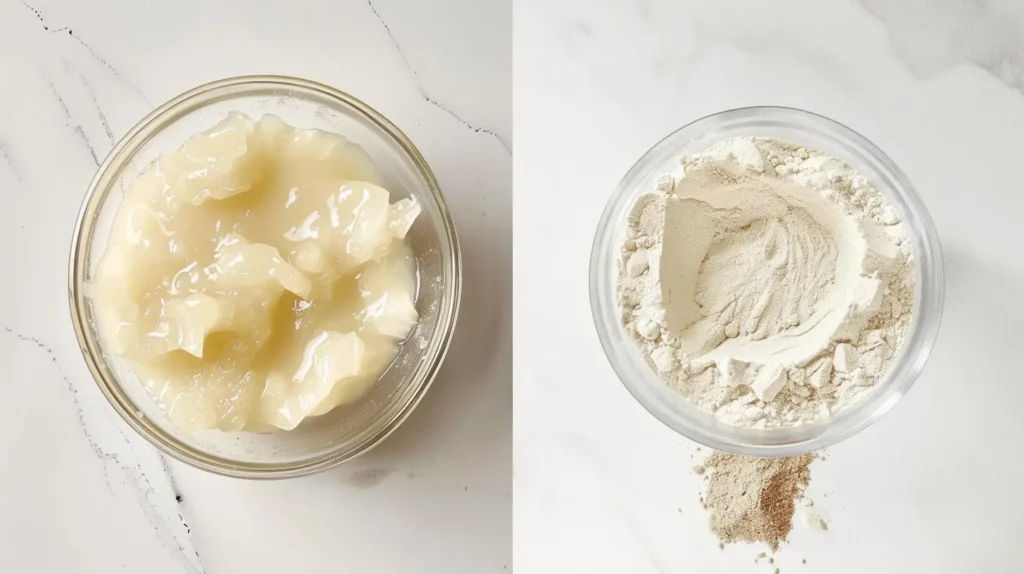
Gelatin vs collagen is a common question, especially for people trying to make healthier food choices or understand popular supplements. Both come from similar sources, both are protein-based, and both are often discussed in the same conversations about weight management, digestion, and everyday nutrition.
At the same time, gelatin and collagen are not used in the same way. One is usually found in traditional foods and recipes, while the other is mostly sold as a supplement. This difference alone can create confusion, particularly for beginners who are not sure which one fits their routine.
In this guide, we’ll clearly explain what gelatin and collagen are, how they differ, and why people use each one. The goal is not to promote one over the other, but to help you understand the real differences so you can make an informed, practical choice based on your needs, preferences, and budget.
Why People Confuse Gelatin and Collagen

Many people struggle to understand the difference between gelatin and collagen because they come from the same original source. Both are derived from animal connective tissues such as bones, skin, and cartilage. Because of this shared origin, it’s easy to assume they are identical or interchangeable.
Marketing also adds to the confusion. Product labels, blogs, and social media posts often use similar language when talking about gelatin vs collagen benefits. Terms like “protein support,” “satiety,” or “daily wellness” are frequently applied to both, without clearly explaining how they work differently in food and supplements.
Another reason for the mix-up is that gelatin and collagen are often discussed in weight loss and digestion routines, even though they are used in different ways. Gelatin is commonly used in recipes and structured eating habits, while collagen is usually added to drinks for convenience. For example, many people first learn about gelatin through simple food-based approaches like the gelatin trick recipe, which highlights gelatin’s unique cooking and texture properties.
What Is Gelatin?
Gelatin is a natural protein made by cooking animal bones, skin, and connective tissue in water. During this process, collagen breaks down and turns into gelatin, which is why the two are closely related. Once cooled and dried, gelatin becomes a powder or sheet that can be used in cooking.
In food, gelatin is best known for its ability to thicken and gel. When mixed with warm liquid, it dissolves, and as it cools, it sets into a firm or semi-firm texture. This behavior is what gives structure to foods like homemade gelatin desserts, broths, gummies, and certain traditional recipes.
Because gelatin creates volume and texture, some people use it in simple recipes to support structured eating habits. It is often included in warm drinks or light snacks that feel filling without being heavy. One example is the gelatin drink for weight loss, which is commonly used as part of a routine rather than a quick fix.
Gelatin also has a mild, neutral taste, which makes it easy to combine with both sweet and savory ingredients. However, it must be heated to dissolve properly, and it will thicken or set as it cools, which is an important difference when comparing gelatin vs collagen in everyday use.
What Is Collagen?
Collagen, when discussed in everyday nutrition, usually refers to collagen peptides sold as a supplement. These peptides are made by breaking collagen down into smaller pieces so they dissolve easily in liquid. Unlike gelatin, collagen supplements do not thicken or set when mixed with water.
Most people use collagen for convenience. It can be stirred into coffee, tea, smoothies, or plain water without changing the texture very much. This makes it appealing for those who want a simple addition to their daily routine without cooking or preparation.
Collagen is often taken for general nutritional support rather than for cooking purposes. Some people include it as part of a protein intake plan or a morning drink habit. While collagen is frequently associated with skin, joints, or weight management discussions, it’s important to note that individual experiences vary, and results are not guaranteed.
From a practical standpoint, the key difference in the gelatin vs collagen comparison is behavior. Collagen dissolves completely and stays liquid, even when cooled. This single trait explains why collagen is treated more like a supplement, while gelatin is treated more like a food ingredient.
Gelatin vs Collagen: Key Differences
While gelatin and collagen come from the same source, they behave very differently in real-life use. Seeing the differences side by side makes it easier to understand why one is usually used in recipes and the other in drinks or supplements.
| Feature | Gelatin | Collagen |
|---|---|---|
| Form | Food ingredient | Supplement (powder or packets) |
| Texture in liquid | Thickens and gels when cooled | Fully dissolves, stays liquid |
| Cooking use | Yes, requires heat to dissolve | No cooking needed |
| Taste | Neutral to mild | Neutral to nearly tasteless |
| Preparation | Mixed with warm liquid, then cooled | Stirred into hot or cold drinks |
| Cost | Usually lower per serving | Often higher per serving |
| Common use | Recipes, snacks, structured eating | Convenience drinks, routines |
This table highlights why the question “is gelatin the same as collagen?” comes up so often. Nutritionally, they are related, but functionally, they serve different purposes. If texture, cooking, and food-based routines matter to you, gelatin behaves very differently than collagen. If simplicity and speed matter more, collagen fits that role better.
Understanding these practical differences helps avoid frustration and makes it easier to choose the option that aligns with your daily habits rather than marketing claims.
Gelatin vs Collagen for Weight Loss
When comparing gelatin or collagen for weight loss, it’s important to keep expectations realistic. Neither gelatin nor collagen causes weight loss on its own. However, some people include them in routines that may support better eating habits over time.
Gelatin is often used in recipes because it adds volume and structure without adding much flavor. When consumed as part of a warm drink or light snack, gelatin-based foods may help some people feel more satisfied between meals. This is why gelatin is commonly featured in simple, low-ingredient recipes that focus on routine and consistency rather than rapid results. One example is the gelatin trick to lose weight, which is typically used as a food habit, not a shortcut.
Collagen, on the other hand, is usually added to drinks like coffee or smoothies. People who use collagen for weight-related goals often do so for convenience. It’s easy to include in a morning or afternoon drink without changing taste or texture. For some, this makes it easier to stick to a routine, which can matter more than the ingredient itself.
In short, the difference in gelatin vs collagen for weight loss is less about results and more about how they fit into your daily life. Gelatin works well in food-based approaches, while collagen suits quick, no-prep habits.
Gelatin vs Collagen for Digestion
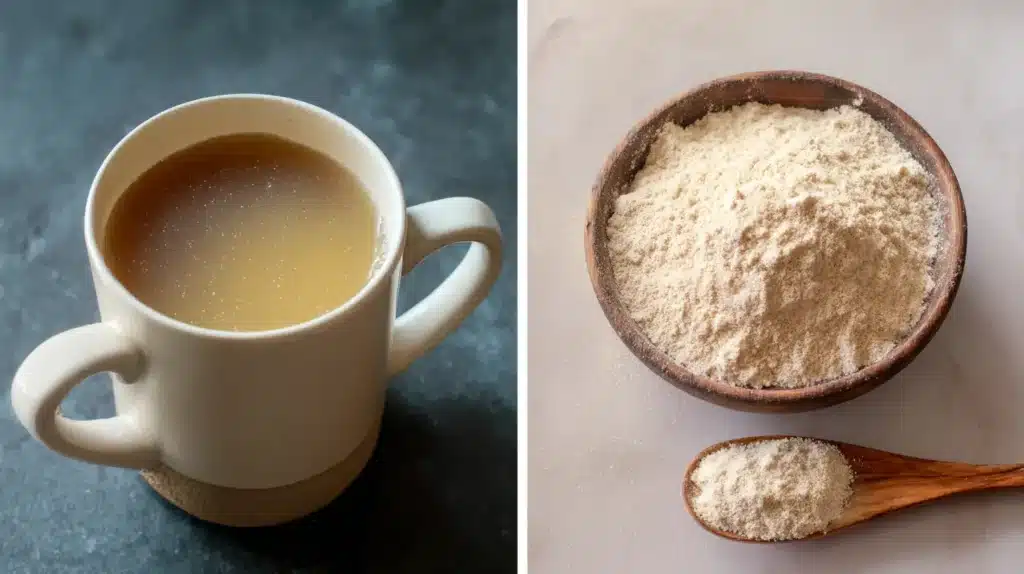
Gelatin vs collagen digestion is another area where people notice differences, even though both come from the same original protein. How they are prepared and consumed can affect how they feel in the digestive system.
Gelatin is usually consumed as part of a warm liquid or a soft, gelled food. Some people find this easier to tolerate, especially when eaten slowly as part of a recipe. Because gelatin thickens as it cools, it is often associated with a feeling of comfort or fullness during digestion. This is one reason gelatin is commonly discussed in food-based digestion routines, such as gelatin for gut health, where the focus is on gentle, familiar foods.
Collagen supplements dissolve completely in liquid and are consumed quickly, often in large gulps of coffee, water, or smoothies. While many people tolerate collagen well, others prefer gelatin simply because it is eaten more like food rather than a supplement. Individual tolerance can vary based on portion size, timing, and personal sensitivity.
If digestion comfort is a priority, the choice between gelatin and collagen often comes down to how your body responds to liquid supplements versus cooked or warm foods. Neither option is universally better, and listening to personal experience matters more than general claims.
Which Is Better for Recipes?
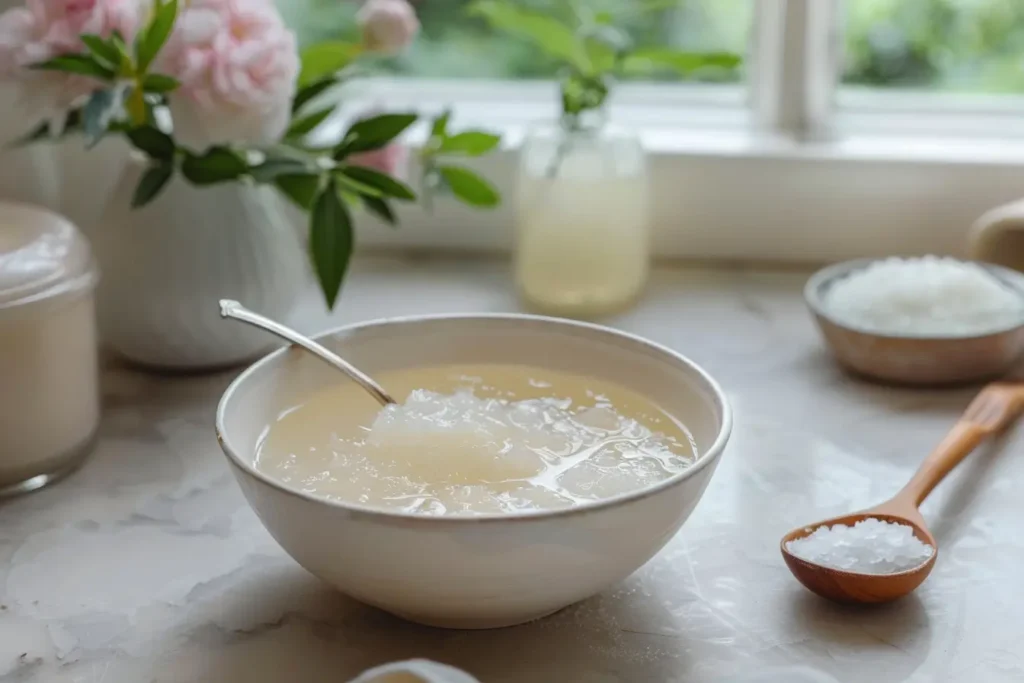
When it comes to cooking and recipes, the difference between gelatin and collagen becomes very clear. Gelatin has a unique gelling ability that collagen does not have. Once gelatin is dissolved in warm liquid and then cooled, it sets and creates structure. This is essential for recipes that need body, thickness, or a firm texture.
Because of this behavior, gelatin is commonly used in simple snacks, desserts, and warm drinks that cool slightly before eating. It allows recipes to feel more filling and intentional, even when they use very few ingredients. This is why gelatin is often featured in structured approaches like the 3 ingredient gelatin recipe, where texture plays an important role.
Collagen, in contrast, does not gel. It dissolves completely and stays liquid, regardless of temperature. This makes collagen unsuitable for recipes that rely on thickness or setting. However, it works well in drinks where texture is not desired, such as coffee or smoothies.
If your goal is to prepare food rather than mix a supplement, gelatin is the clear choice. Collagen fits better when the “recipe” is simply a drink that needs to stay smooth and thin.
Which Should You Choose?
Choosing between gelatin and collagen depends less on which one is “better” and more on how you plan to use it. Both come from the same source, but they fit into daily routines in very different ways.
If you enjoy preparing simple foods or following structured eating habits, gelatin may be the better option. It works well in warm drinks and recipes that create texture and volume, which some people find helpful for feeling satisfied. Gelatin is also usually more affordable and feels more like a traditional food ingredient than a supplement.
Collagen may be a better fit if convenience matters most to you. It dissolves quickly, has little impact on taste or texture, and can be added to drinks you already consume. For people who prefer not to cook or prepare recipes, collagen can be easier to use consistently.
Taste preferences, budget, and routine all play a role. There is no single correct choice. The most practical option is the one you can use comfortably and consistently without relying on unrealistic expectations.
Common Myths About Gelatin and Collagen
There are several myths that keep the gelatin vs collagen conversation confusing. Clearing these up helps set realistic expectations and prevents disappointment.
One common myth is that gelatin and collagen are identical. While they come from the same source, they behave very differently in food and drinks. Gelatin thickens and sets, while collagen stays liquid. This difference affects how they are used far more than many people realize.
Another myth is that collagen always works better. In reality, “better” depends on the goal. Collagen may be easier to add to drinks, but it cannot replace gelatin in recipes. For people who prefer food-based routines, collagen may not be the best fit.
Some also believe gelatin is outdated or inferior. In fact, gelatin has been used in cooking for generations and continues to be valued for its unique texture and versatility. Its role in simple, structured recipes is the reason it remains popular today, not because of trends or marketing.
Understanding these myths makes it easier to choose between gelatin and collagen based on function, not assumptions.
FAQs About Gelatin vs Collagen
Is gelatin the same as collagen?
No, they are not the same, even though they come from the same source. Gelatin is made by cooking collagen and has gelling properties, while collagen (usually sold as collagen peptides) dissolves completely and stays liquid. This difference affects how each one is used in food and drinks.
Can I substitute collagen for gelatin in recipes?
In most cases, no. Collagen does not thicken or set, so it cannot replace gelatin in recipes that rely on structure or texture. If a recipe needs to gel, firm up, or thicken, gelatin is required.
Which is better for weight loss?
Neither gelatin nor collagen causes weight loss on its own. Some people find gelatin helpful in recipes that support satiety, while others prefer collagen for easy drink-based routines. The better option is the one that fits your habits and helps you stay consistent.
Which is better for digestion?
This can vary from person to person. Gelatin is often consumed as part of warm or soft foods, which some people find gentler. Collagen is taken as a liquid supplement and may feel different depending on timing and portion size. Personal tolerance matters most.
Can I use both gelatin and collagen?
Yes. Some people use gelatin in recipes and collagen in drinks, depending on the situation. Using both can make sense if each one serves a different purpose in your routine.
Final Thoughts
Gelatin vs collagen is not about choosing a “winner,” but about understanding how each one works. They come from the same source, yet their behavior in food and drinks is very different. Gelatin functions as a real food ingredient, while collagen is mainly used for convenience in liquid form.
For people who prefer simple recipes and structured eating habits, gelatin often makes more sense. For those who want something quick and easy to add to daily drinks, collagen may feel more practical. Neither option guarantees results, and neither replaces a balanced, whole-food approach.
The best choice is the one that fits naturally into your routine, tastes acceptable to you, and aligns with realistic expectations. Understanding the differences helps you use gelatin or collagen with clarity rather than confusion.