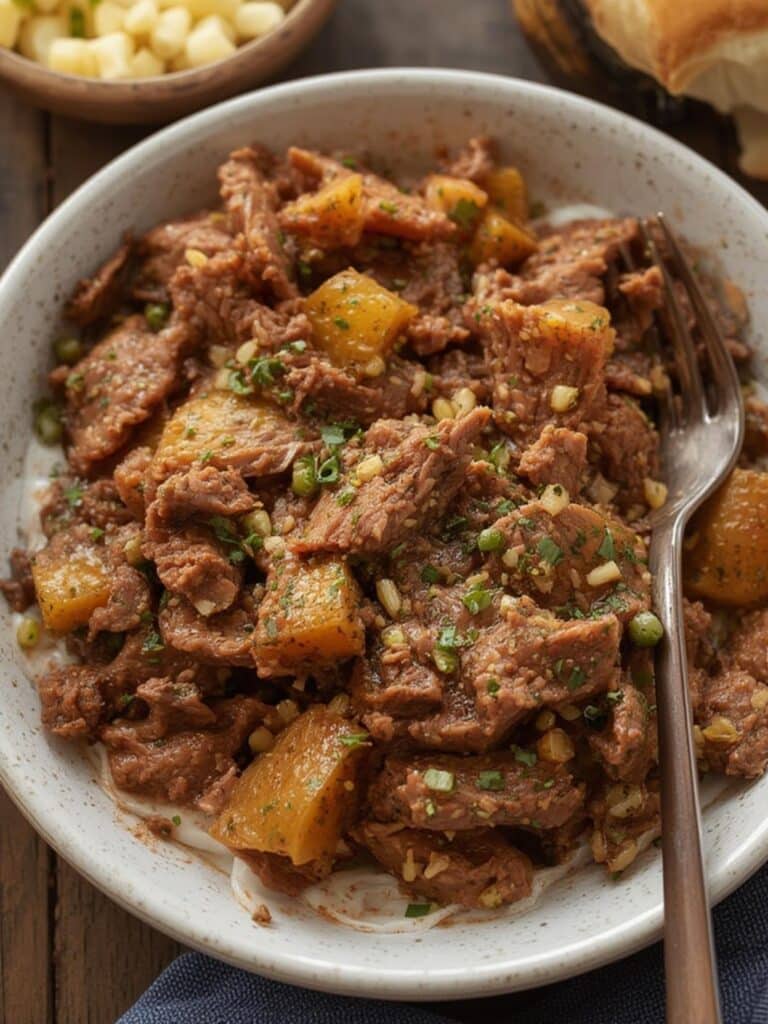
Discover the perfect family dinner with this traditional Irish-American classic! This corned beef recipe delivers tender, flavorful meat that practically melts in your mouth. Whether you’re preparing for St. Patrick’s Day or simply craving a hearty, satisfying meal, this step-by-step guide ensures foolproof results every time. Perfect for both kitchen novices and experienced cooks looking to master this beloved dish.
Why You’ll Love This Recipe
- Incredibly tender meat that slices perfectly without falling apart
- Bold, savory flavor with just the right balance of spices
- Simple ingredients and easy-to-follow instructions for beginners
- Make-ahead friendly for stress-free entertaining
- Versatile leftovers that transform into multiple meals
- Budget-friendly option that feeds a crowd
- Comforting traditional recipe with modern cooking tips
- Perfect for special occasions and family gatherings
Ingredients
- 4-5 pounds corned beef brisket with spice packet
- 1 large yellow onion, quartered
- 4 cloves garlic, peeled and lightly crushed
- 2 bay leaves
- 1 tablespoon whole black peppercorns
- 2 tablespoons brown sugar
- 2 tablespoons apple cider vinegar
- 1 tablespoon Dijon mustard
- 4 cups beef broth
- 2 cups water
- 1 pound carrots, peeled and cut into 2-inch pieces
- 1 pound small red potatoes, halved
- 1 head cabbage (about 2 pounds), cut into 8 wedges
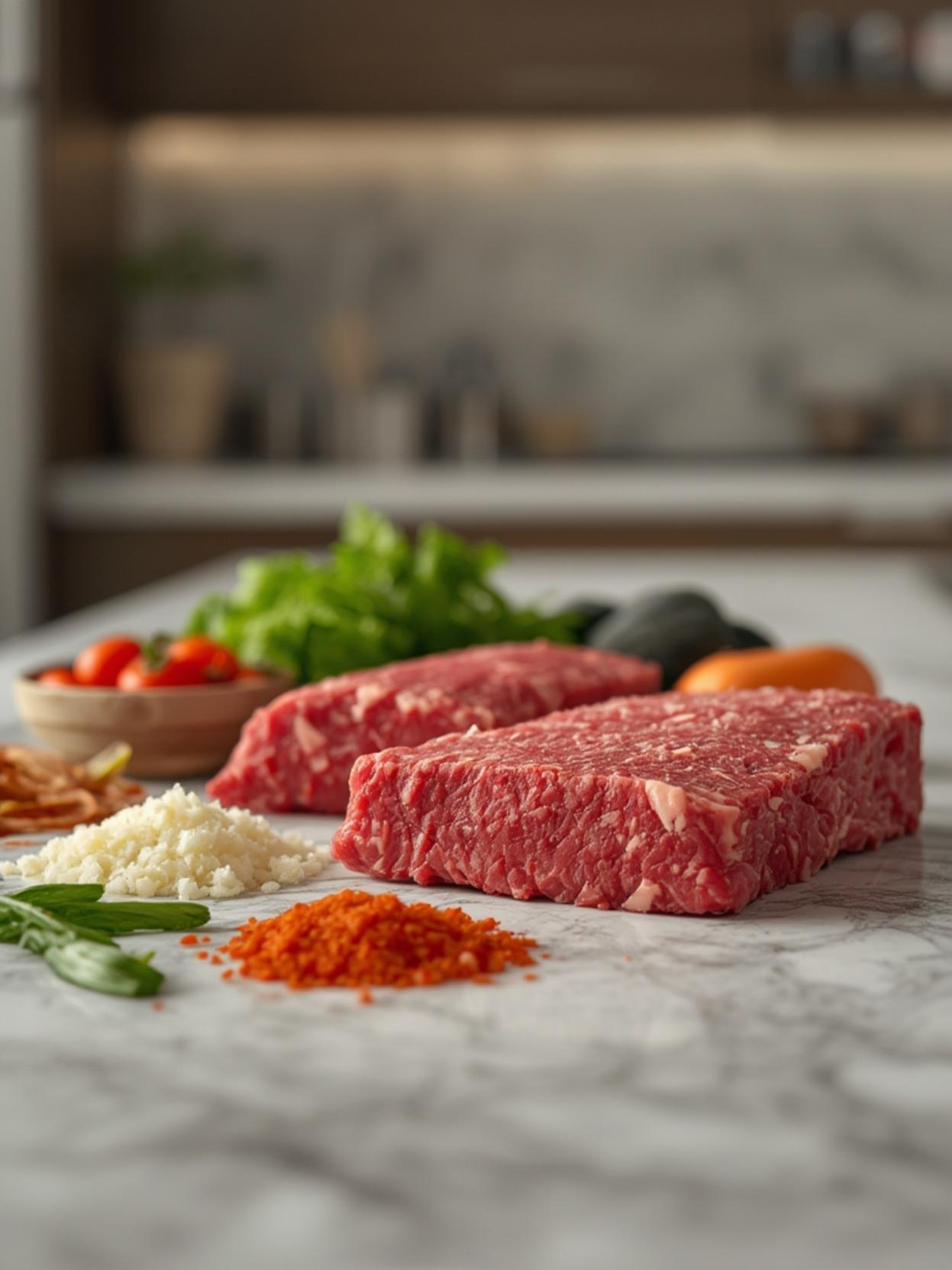
Ingredient Notes & Substitutions
The Brisket
What is corned beef exactly? It’s a salt-cured beef brisket, usually from the flat cut or point cut of the brisket. The term “corned” refers to the large grains of salt (called “corns”) traditionally used in the curing process.
When selecting your brisket, you’ll typically find two options:
- Flat Cut: Leaner, more uniform in shape, and easier to slice neatly
- Point Cut: Fattier with more marbling, which can result in a more flavorful, tender result but may be more challenging to slice
Most packaged corned beef comes with a spice packet, but if yours doesn’t, you can create your own with 1 tablespoon each of mustard seeds, coriander seeds, and peppercorns, plus 1 teaspoon of allspice berries, 6 whole cloves, and 1 crumbled bay leaf.
Liquid Ingredients
The combination of beef broth and water creates the perfect cooking liquid. You can substitute:
- All beef broth for a richer flavor
- Chicken broth as an alternative
- Beer (especially Guinness or another stout) for 2 cups of the liquid for an authentic Irish twist
- The apple cider vinegar helps tenderize the meat, but white vinegar works in a pinch
- Brown sugar can be replaced with honey or maple syrup
Vegetables
The classic vegetables complement the savory corned beef perfectly, but feel free to customize:
- Swap red potatoes for Yukon gold or russet (though they may break down more during cooking)
- Add parsnips or turnips for variety
- Green cabbage is traditional, but savoy cabbage offers a more delicate texture and flavor
- For convenience, use baby carrots instead of whole carrots
Step-by-Step Instructions
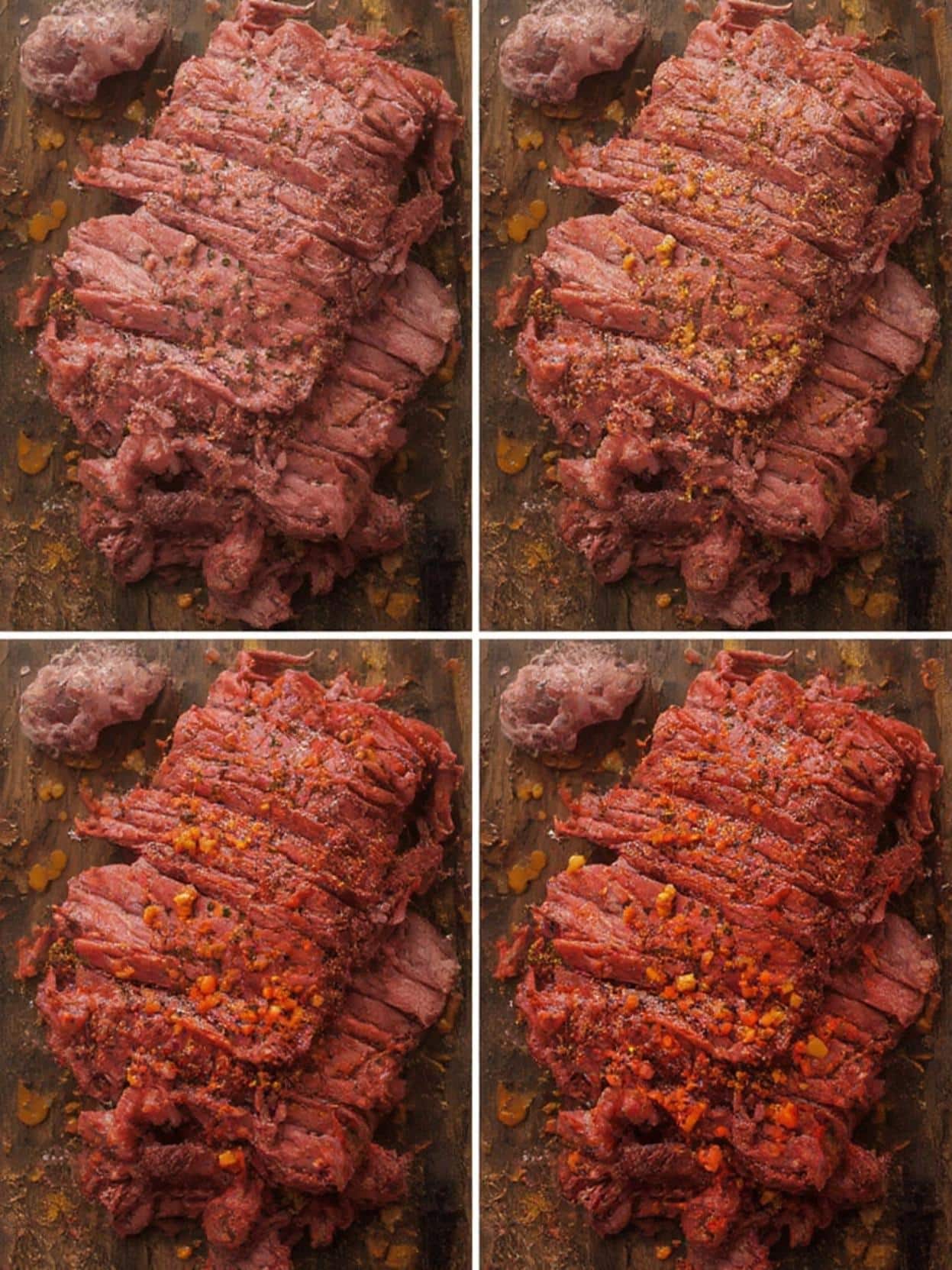
Step 1: Prepare the Brisket
Start by removing the corned beef brisket from its packaging over the sink (it can be quite juicy). Rinse it thoroughly under cold water to remove excess salt from the curing process. Pat it dry with paper towels. This rinsing step is crucial as it helps prevent your final dish from being too salty.
Step 2: Prepare the Cooking Liquid
In a large Dutch oven or heavy-bottomed pot, combine the beef broth, water, garlic cloves, onion quarters, bay leaves, contents of the spice packet, additional peppercorns, brown sugar, apple cider vinegar, and Dijon mustard. Stir to combine. The mixture should smell aromatic and slightly sweet from the brown sugar.
Step 3: Cook the Brisket
Place the rinsed brisket into the pot with the fat side up. This positioning allows the fat to render down through the meat as it cooks, adding flavor and tenderness. Bring the liquid to a boil over high heat, then immediately reduce to a low simmer. Cover tightly with a lid and let it simmer gently for about 3 hours. The meat should be fork-tender but not falling apart. You’ll know it’s ready when a fork easily inserts into the thickest part with little resistance.
Step 4: Add Vegetables
Once the meat is tender, add the carrots and potatoes to the pot, nestling them around the brisket. Cover again and simmer for 15 minutes. Then add the cabbage wedges on top and continue to cook for another 15-20 minutes until all vegetables are tender. The cabbage should be soft but still hold its shape, and the potatoes should be easily pierced with a fork.
Step 5: Rest and Slice
Remove the pot from heat. Carefully transfer the corned beef to a cutting board and tent loosely with foil. Let it rest for 15 minutes before slicing. This resting period allows the juices to redistribute throughout the meat, ensuring it remains moist when sliced. When ready, slice the meat against the grain into ¼-inch thick slices. Cutting against the grain is essential for tender slices.
Step 6: Serve
Arrange the sliced meat on a large serving platter surrounded by the cooked vegetables. Spoon some of the cooking liquid over the meat and vegetables just before serving to add extra moisture and flavor.
Pro Tips for Best Results
1. Always slice against the grain: This shortens the muscle fibers and makes each bite more tender. Look for the lines running along the meat and cut perpendicular to them.
2. Low and slow is key: Don’t rush the cooking process. Simmering slowly allows the tough connective tissues to break down properly.
3. Rinse thoroughly: Properly rinsing the brisket before cooking removes excess salt from the curing process and prevents an overly salty final dish.
4. Add vegetables in stages: Adding vegetables at different times ensures nothing gets overcooked. Cabbage especially can become mushy if cooked too long.
5. Save the cooking liquid: The flavorful cooking liquid makes an excellent base for soups or stews later in the week.
6. Let it rest: Allow the meat to rest before slicing to keep it juicy and moist.
7. Consider cooking a day ahead: Corned beef often tastes even better the next day, and chilling overnight makes it easier to slice thinly.
Common Mistakes to Avoid
1. Skipping the rinse: Not rinsing the brisket before cooking can result in an overly salty dish that’s unpleasant to eat.
2. Boiling instead of simmering: High heat will make the meat tough. Maintain a gentle simmer throughout the cooking process.
3. Cutting with the grain: Slicing with the grain results in stringy, tough meat that’s difficult to chew.
4. Overcooking the vegetables: Adding vegetables too early will turn them to mush by the time the meat is done.
5. Not allowing rest time: Cutting into the meat immediately after cooking causes all the flavorful juices to run out onto your cutting board.
6. Cooking at too high a temperature: Patience is key. High heat will shrink and toughen the meat rather than making it tender.
7. Discarding the fat: While you may not want to eat the fat cap, leaving it on during cooking adds significant flavor and moisture.
Variations
Slow Cooker Corned Beef
For a hands-off approach, place the rinsed brisket in your slow cooker with all the aromatics and liquids. Cook on low for 8-9 hours until fork-tender. Add vegetables during the last 2-3 hours of cooking.
Oven-Baked Method
After the initial stovetop simmer (about 30 minutes), transfer the covered Dutch oven to a 325°F oven and cook for 3-4 hours until tender. This provides more consistent heat distribution.
Healthier Version
Reduce sodium by soaking the brisket in cold water in the refrigerator for 12 hours before cooking, changing the water every 4 hours. Skip the added salt in the cooking liquid and use low-sodium broth. Increase the vegetable-to-meat ratio for a more balanced plate.
Gluten-Free Option
This recipe is naturally gluten-free, but always check your broth and mustard labels to ensure they’re certified gluten-free. Some packaged corned beef may contain gluten in the spice packet, so read ingredients carefully.
Spicy Variation
Add 1-2 tablespoons of pickling spice and a teaspoon of red pepper flakes to the cooking liquid for extra zing. A tablespoon of horseradish in the cooking liquid also adds wonderful depth.
How to Store & Reheat
Storing
- Refrigerator: Store cooled corned beef and vegetables in separate airtight containers for up to 4 days. Keep some cooking liquid with the meat to prevent it from drying out.
- Freezer: Slice the meat and place it in freezer-safe containers or bags with some cooking liquid. Freeze for up to 3 months. Vegetables tend to become mushy when frozen, so it’s best to only freeze the meat.
Reheating
- Stovetop: Place slices in a skillet with a few tablespoons of the reserved cooking liquid. Cover and heat over medium-low heat until warmed through, about 5-8 minutes.
- Oven: Arrange slices in a baking dish with a few tablespoons of cooking liquid or beef broth. Cover with foil and warm in a 325°F oven for 15-20 minutes.
- Microwave: For quick reheating, place slices in a microwave-safe dish with a tablespoon of liquid. Cover with a damp paper towel and heat in 30-second intervals until warmed through.
What to Serve With Corned Beef
Traditional Pairings
- Irish soda bread for soaking up the flavorful juices
- Whole grain mustard or horseradish sauce for extra zing
- Buttered parsley potatoes if you didn’t cook potatoes with the beef
- A fresh green salad with a light vinaigrette to balance the rich meal
Breakfast Options
- Transform leftovers into corned beef hash topped with fried eggs
- Serve with toasted rye bread and scrambled eggs
Sandwich Ideas
- Classic Reuben sandwich with Swiss cheese, sauerkraut, Russian dressing on rye bread
- Rachel sandwich (turkey Reuben) using corned beef instead of turkey
- Simple sandwiches with good mustard and fresh bread
Hearty Sides
- Colcannon (Irish mashed potatoes with cabbage)
- Roasted root vegetables
- Creamy parsnip puree
- Braised kale with garlic
FAQs
How do I know when my corned beef is fully cooked?
Corned beef is fully cooked when it reaches an internal temperature of 145°F, but for the most tender results, cook until it reaches 190°F-195°F. At this temperature, the connective tissues break down, making the meat fork-tender. You should be able to easily insert a fork into the meat with little resistance.
Why does my corned beef always turn out tough?
Tough corned beef usually results from cooking at too high a temperature or not cooking it long enough. This cut requires low, slow cooking to break down the tough connective tissues. If your meat is tough, it likely needs more time at a gentle simmer. Never boil corned beef – always maintain a gentle simmer.
Is corned beef really Irish?
While corned beef and cabbage is associated with Irish-American cuisine, particularly for St. Patrick’s Day, it’s not traditionally Irish. In Ireland, bacon or pork was more common. Irish immigrants in America substituted corned beef as a more affordable option, creating the dish we now associate with Irish cuisine.
Can I cook corned beef in a pressure cooker?
Yes! Pressure cooking is an excellent method for corned beef. Cook a 4-pound brisket on high pressure for about 90 minutes, followed by a 15-minute natural release. Add the vegetables and pressure cook for an additional 3-5 minutes. This method significantly reduces cooking time while still yielding tender results.
What’s the pink color in corned beef?
The pink color comes from sodium nitrite used in the curing process. It’s perfectly safe and normal, and it’s what gives corned beef its distinctive color and flavor. Even when fully cooked, corned beef will maintain this characteristic pinkish hue.
Nutrition Overview
This hearty dish provides approximately:
- Calories: About 350-400 calories per 4 oz serving of meat with vegetables
- Protein: 25-30g per serving, making it an excellent protein source
- Carbohydrates: 15-20g per serving (mostly from the vegetables)
- Fat: 20-25g per serving (varies depending on the cut and how well it’s trimmed)
- Sodium: High (approximately 800-1000mg per serving)
- Fiber: 3-5g per serving (from vegetables)
Note that corned beef is naturally high in sodium due to the curing process. Those on sodium-restricted diets should consume in moderation or use the soaking method mentioned in the variations section.
Time to Enjoy Your Homemade Corned Beef!
There’s something deeply satisfying about mastering a classic like corned beef. The tender, flavorful meat paired with perfectly cooked vegetables creates a complete meal that’s both comforting and impressive. Whether you’re celebrating St. Patrick’s Day or simply enjoying a family Sunday dinner, this recipe delivers consistent, delicious results.
Remember that the leftovers are almost as exciting as the main event – from breakfast hash to Reuben sandwiches, your homemade corned beef will keep on giving for days to come.
Have you tried making corned beef before? What’s your favorite way to enjoy the leftovers? Share your experiences in the comments below, and don’t forget to save this recipe for your next family gathering!